Destruction of hazardous chemicals and POPs in cement kilns
Hazardous chemicals and persistent organic pollutants constitute a threat to health and environment, both locally and globally. Many developing countries have no destruction options available and export is usually too costly. Cement kilns can be found in virtually every country and might constitute a sound treatment option if found feasible.
1 Introduction
Several international conventions aim to protect human health and the environment by requiring parties to take measures to reduce or eliminate releases of hazardous chemicals like obsolete pesticides and persistent organic pollutants (POPs) from intentional production and use, from stockpiles and wastes and from unintentional release. The Aarhus Protocol covers 16 POPs and the Stockholm Convention on POPs covers for the time being 21 compounds or groups of compounds.
There is currently no reliable information available regarding what quantities these POPs constitute on a global...
1 Introduction
Several international conventions aim to protect human health and the environment by requiring parties to take measures to reduce or eliminate releases of hazardous chemicals like obsolete pesticides and persistent organic pollutants (POPs) from intentional production and use, from stockpiles and wastes and from unintentional release. The Aarhus Protocol covers 16 POPs and the Stockholm Convention on POPs covers for the time being 21 compounds or groups of compounds.
There is currently no reliable information available regarding what quantities these POPs constitute on a global level but these conventions acknowledge that there is an urgent need for environmentally sound disposal and that developing countries and countries with economies in transition need to strengthen their national capabilities on sound management of hazardous chemicals. The intention of the Basel Convention, ratified in 1989, is to control shipment of hazardous wastes across borders, to avoid dumping in developing countries and to stimulate local treatment.
Environmentally sound disposal of hazardous chemicals and POPs is however costly and complicated, and export may not be affordable to many developing countries. In contrast to incinerators and other treatment techniques, cement kilns already exist in virtually every country and resorting to them may be feasible and cost-efficient for the treatment of POPs wastes and other types of hazardous wastes.
2 Cement kilns
“Co-processing” of alternative fuels and resources in the cement industry should primarily be about energy recovery and material recycling. In special cases however, where hazardous chemicals are posing an imminent threat to health and environment and where no other disposal option exist, the feasibility of using a local cement kiln for destruction could be investigated.
A BAT/BEP cement kiln has many inherent features which makes it ideal for organic hazardous waste treatment: high temperatures, long residence time, surplus oxygen during and after combustion, good turbulence and mixing conditions, thermal buffer capacity, dry scrubbing of the exit gas by alkaline raw material (neutralises acid gases like hydrogen chloride), fixation of traces of heavy metals in the clinker structure, no production of by-products such as slag, ashes or liquid residues and complete recovery of energy and raw material components in the waste (Karstensen, 1998 and 2006).
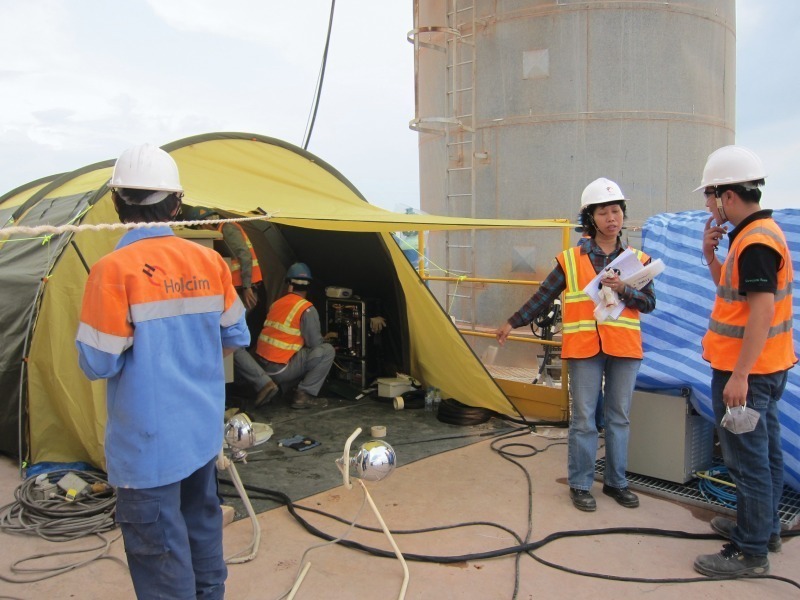
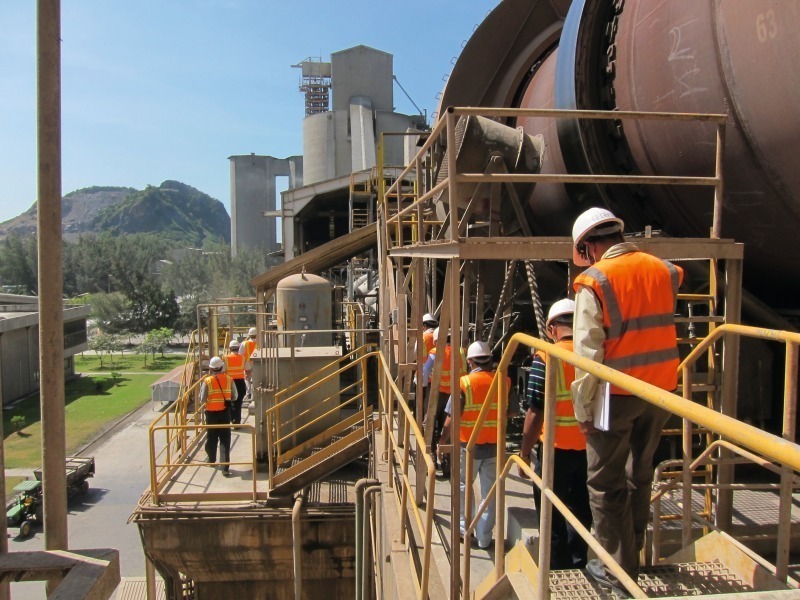
Comprehensive test burns with hazardous chemicals and POPs have been conducted in several developing countries (Fig. 1), demonstrating in most cases that local cement kilns can destroy hazardous chemicals including POPs, in a safe and environmentally sound manner, and irreversibly without generating new POPs (Karstensen, 2006 and 2008).
A stable cement kiln will comply with the US TSCA PCB incineration criteria which require a temperature of 1200 °C and 2 seconds retention time at 3 % oxygen or the EU Directive 2000/76/EU, requiring a temperature of 850 °C for at least 2 seconds for the incineration of non-chlorinated hazardous waste and 1100 °C and 2 seconds retention time for organic substances containing more than 1 % halogen at 2 % oxygen. Another important criterion for environmentally sound destruction and irreversible transformation is to achieve a sufficient destruction efficiency (DE) or destruction and removal efficiency (DRE). The DRE consider emissions to air only while the more comprehensive DE is also taking into account all other out-streams, i.e. products and liquid and solid residues. A DRE value greater than 99.9999% is required for disposal of POPs in the US (see Karstensen et al., 2010 for further references).
2.1 General requirements and prerequisites
The following minimum requirements and prerequisites should be in place to prevent and reduce the risks to the greatest extent possible prior to commencing with destruction of hazardous wastes in cement kilns on a routine basis (Karstensen, 2009a and 2009b):
An approved environmental impact assessment EIA and all necessary national/local licences;
Compliance with all relevant national and local regulations;
BAT/BEP performance and compliance with the Basel, the Stockholm Convention and the Montreal Protocol;
Approved location, technical infrastructure and processing equipment;
Reliable and adequate power and water supply;
Adequate air pollution control devices and continuous emission monitoring ensuring compliance with regulations and permits; needs to be verified through regular baseline monitoring;
Exit gas conditioning/cooling and low temperatures in the air pollution control device to prevent dioxin formation;
Clear management and organisational structure with unambiguous responsibilities, reporting lines and feedback mechanism;
An error reporting system for employees;
Qualified and skilled employees to manage hazardous wastes and health, safety and environmental issues;
Adequate emergency and safety equipment and procedures, and regular training;
Authorised and licensed collection, transport and handling of hazardous wastes;
Safe and sound receiving, storage, preparation and feeding of hazardous wastes;
Adequate laboratory facilities and equipment for hazardous waste acceptance and feeding control;
Demonstration of hazardous waste destruction performance through performance verification and test burns;
Adequate record keeping of hazardous wastes and emissions;
Adequate product quality control routines;
An environmental management and continuous improvement system certified according to ISO 14001, EMAS or similar;
Regular independent audits, emission monitoring and reporting;
Regular stakeholder dialogues with local community and authorities, and for responding to comments and complaints;
Open disclosure of performance reports on a regular basis.
3 Obsolete pesticides
The accumulation and inadequate management of obsolete pesticides and other hazardous chemicals constitute a threat to health and environment, locally, regionally and globally (see Karstensen et al., 2006 for further references). Estimates indicate that more than 500 000 tons of obsolete pesticides are accumulated globally, especially in developing countries (Fig. 2).
3.1 Toxic insecticides in Vietnam
A test burn with two obsolete and toxic insecticides was conducted in a cement kiln in Vietnam in 2003 (Karstensen et al., 2006). The solvent-based insecticide mix had two active ingredients, 18.8 % Fenobucarb and 2.4 % Fipronil. It had expired and was deemed unusable; approximately 40 000 litres was stored in 200 steel drums waiting for a suitable treatment option to become available. The active ingredients of the insecticide were solved in cyclohexanone and aromatic solvents.
The two toxic insecticides were fed through the main burner and the destruction efficiency was measured to be better than 99.9999969 % for Fenobucarb and better than 99.9999832 % for Fipronil and demonstrated that the hazardous chemicals had been destroyed in an irreversible and environmentally sound manner. All the test results, except for the NOx, were in compliance with the most stringent regulations. This was the first time PCDD/PCDFs, PCBs and HCB were measured in an industrial facility in Vietnam and all the results were below the detection limits. This proved that the destruction had been complete and irreversible and not causing any new formation of PCDD/PCDFs, HCB or PCBs.
4 PCBs
Commercial production of PCB started in the US, Germany and France in the 1930s and ceased when the production in Russia ended in 1993 (see Karstensen et al., 2010 for references). The total volumes produced are uncertain; estimates vary from 60 000 tons to about two million tonnes. PCB production was banned and phased out in the US and European countries during the 1970s and it can be anticipated that most developed countries now have disposed of their stocks, primarily by using thermal techniques.
4.1 PCB destruction in Sri Lanka
PCB-oil had been stored in a warehouse in Colombo for more than 20 years, waiting for a disposal solution to emerge (Karstensen et al., 2006). High concentration PCB-oil was kept in 60 l stainless steel drums; as well as diesel washings from the transformers’ cleaning, in 200 l steel drums. The PCB-oil was confirmed to be pyralene with an average concentration of 59 % of PCB, 36 % trichlorobenzene and 5 % tetrachlorobenzene.
The mix of PCB-oil and diesel-washings from Colombo was further blended to a total of 10 000 l with diesel oil in a steel feeding tank at the cement plant; the final PCB-diesel oil mix was homog-enised and fed directly to the main burner flame of the cement kiln during two consecutive days of testing with various feeding rates and PCB-concentration.
The test burn started with emission measurements when no PCB was fed to the kiln, followed by Test day 1 with a feed rate of 500 l/h of PCB-diesel oil mix with 14.000 mg PCB/l and Test day 2 with a feed rate of 1000 l/h of PCB-diesel oil mix with 10.050 mg PCB/l. The feeding system was calibrated and tested before start up.
The three-day test burn demonstrated that it was able to destroy PCBs in an irreversible and environmentally sound manner without causing any new formation of PCDD/PCDF or HCB (Karstensen et al., 2010). The destruction and removal efficiency was better than 99.9999 % at the highest PCB feeding rate.
4.2 PCB destruction in El Salvador
A test burn with TCE and PCBs was carried out in El Salvador in 2007 and 2009; the DRE was measured to be better than six nines in both cases, i.e. > 99.9999 %. We could not detect any influence on the emissions of PCDD/PCDFs; the average concentration measured during in total seven days was 0.0398 ng I-TEQ/m3.
4.3 PCB destruction in Vietnam
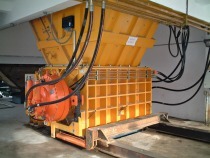
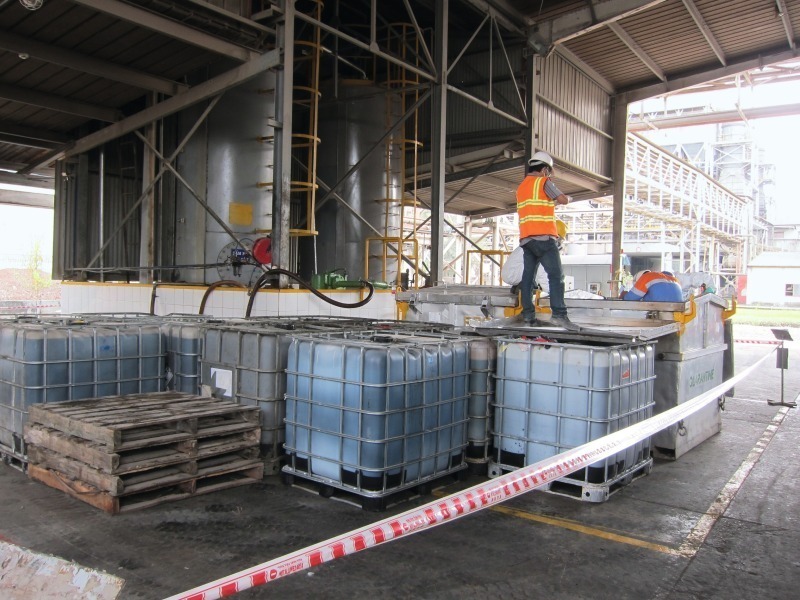
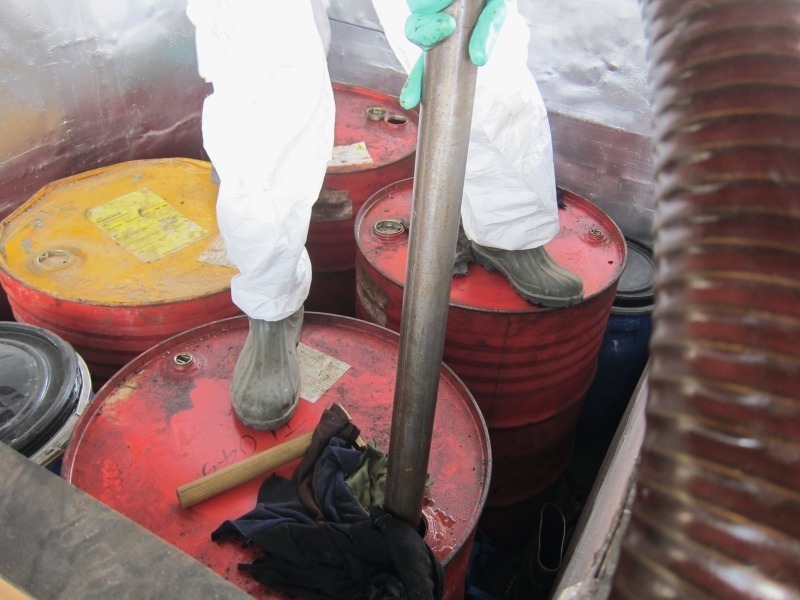
High strength PCB was transported to the Hon Chong cement plant in South Vietnam in steel drums and diluted in two 16 000 l feeding tanks, making two batches for two days testing (Fig. 3). The entire test campaign was carried out over three days; the first day a baseline test was performed, i.e. with stack gas sampling under normal conditions with coal firing only and with the exit gas through the raw mill in compound mode – the next two days, a mix of PCB and used oil was fed to the main burner of the kiln; only the first test burn day however was complete.
The destruction and removal efficiency DRE were measured to be 99.9999 % for PCBs, 99.99999 % for dioxin-like PCBs and 99.999999 % for Chlorobenzenes during test burn. A destruction and removal efficiency of 100 % will never be possible to demonstrate due to detection limits in the analytical instruments.
The test burn demonstrated that the PCB had been destroyed in an irreversible and environmentally sound manner, i.e. without new formation of dioxins, furans or hexachlorobenzene. The result revealed very low emissions of both I-TEQ PCDD/PCDFs and I-TEQ PCBs and all other parameters were in compliance with QCVN 41: 2011/BTNMT.
5 Contaminated soil
Soil and contaminated soil contains major fractions of silica, alumina, calcium and iron oxides, all of which are important in cement production. Cement manufacture requires high temperatures, typically 1450 °C with a residence time of 20–30 min at peak temperature. It is expected that organic contaminants will be degraded, and inorganic contaminants (like heavy metals) will be stabilized and locked into the cement phases.
Soils with low concentrations of POPs constitute a particular challenge as environmentally sound destruction usually is deferred due to high costs for excavation and subsequent decontamination. Contaminated soil is challenging as it must be fed to the “low” temperature part of the kiln and soil-minerals must be compatible with the raw materials.
Compared with other treatment options, a cement kiln has a huge capacity and a likely practical replacement of 1-2 % of the total feedstock material, considering the factors of chloride and SiO2 burning, but will also be a function of the bulk soil chemistry and the major elemental content.
The main concerns with the feeding of POPs contaminated soil to the kiln inlet (with the exception of handling) are the risk for strip off, or volatilisation of the POPs into the preheater, and insufficient destruction.The temperature is lower at the kiln inlet part of the process and there is a risk that POPs are volatilised and acting as precursors in the formation of PCDD/PCDFs in the preheater.
5.1 Dieldrin contaminated soil in Venezuela
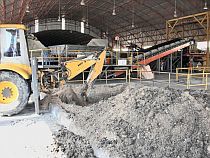
Soil from an old pesticide formulation plant, contaminated with POPs, constituted a local problem in Venezuela and it was decided to test the feasibility of using a local cement plant for safe destruction (Karstensen, 2009). Approximately 6000 m3 of contaminated soil was excavated around the formulation plant and put into 1 m3 big bags and stored in a warehouse. 60 tons were homogenised and transported to the San Sebastian cement plant by truck. Samples were taken from each of the batches and analysed (Fig. 4).
A complete test burn was carried out over a period of four days, split into two baseline measurements and three contaminated soil feeding periods with a fed rate of two tons/hour lasting for a least eight hours each. Contaminated soil with up to 522 ppm Dieldrin fed to the kiln inlet showed a DRE of 99.9994 % for Dieldrin at the highest feeding rate.
5.2 DDT and contaminated soil in China
Test burns with DDT-powder and DDT contaminated soil fed into the flue gas chamber at the cement kiln inlet in two preheater/precalciner cement kiln systems showed that the DDT had not been destroyed completely satisfactorily (Dahai et al., 2014). The obsolete DDT-powder destroyed in this study came from the Hunan Province of China and the concentration of DDT was measured to be 10.63 %. The DDT concentration of the contaminated soil varied within 1352-3394 mg/kg.
The DE and DRE was 99.99997 % and 99.99999 % respectively when feeding DDT-powder to kiln A, while the DE and DRE was in range of 99.9889-99.9991 % and 99.9983-99.9997 % respectively when feeding DDT-contaminated soil to kiln B.
Traces of DDT were detected under baseline conditions in both kiln systems and needs to be investigated further (Dahai et al., 2014). Not destroyed DDT may be adsorbed on dust particles at the post-preheater zone, trapped in the air pollution control equipment and recycled back through the raw meal silo and to the top of the preheater, creating an adsorption and desorption circulation which will bleed and emit traces of DDT even when not feeding the waste.
This study indicated that feeding of DDT and DDT-contaminated soil to the lower temperature part of a cement kiln system might lead to trace emissions; best international practice is to feed POPs to the high temperature part of the kiln, the main burner, i.e. the technical feasibility and environmental acceptability of this Chinese practice needs to be reassessed.
6 Chlorofluorcarbons
Chlorofluorocarbons (CFCs) and halons (brominated fluorocarbons/CFCs) are potent ozone depleting substances (ODSs) and synthetic greenhouse gases (GHGs) (see Karstensen et al., 2014 for further references). All ozone depleting substances contain either chlorine or bromine; substances containing only fluorine do not harm the ozone layer but may still be a GHG.
The wide use of these chemicals has caused severe damage to the ozone layer and contributed significantly to the global warming. The global warming potential (GWP) refers to the amount of global warming caused by a substance and is the ratio of the warming caused by a substance to the warming caused by a similar mass of carbon dioxide; thus, the GWP of CO2 is defined to be 1.
Many emerging countries, such as India, still possess stocks of concentrated CFCs which need to be destroyed in an environmentally sound manner but costs are prohibitive. The UNEP Technology and Economic Assessment Panel (TEAP) task force on destruction technologies applied screening criteria to 45 identified technologies, where eleven met the qualification criteria for destruction of concentrated sources, i.e. CFCs and HCFCs (UNEP, 2002).
Despite the fact that cement kilns were among the methods recommended by UNEP TEAP in 2002, no study to assess their feasibility and destruction performance under real developing country conditions has been reported in the scientific literature up to now (Karstensen et al., 2014).
6.1 Destruction of chlorofluorocarbons in India
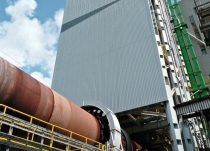
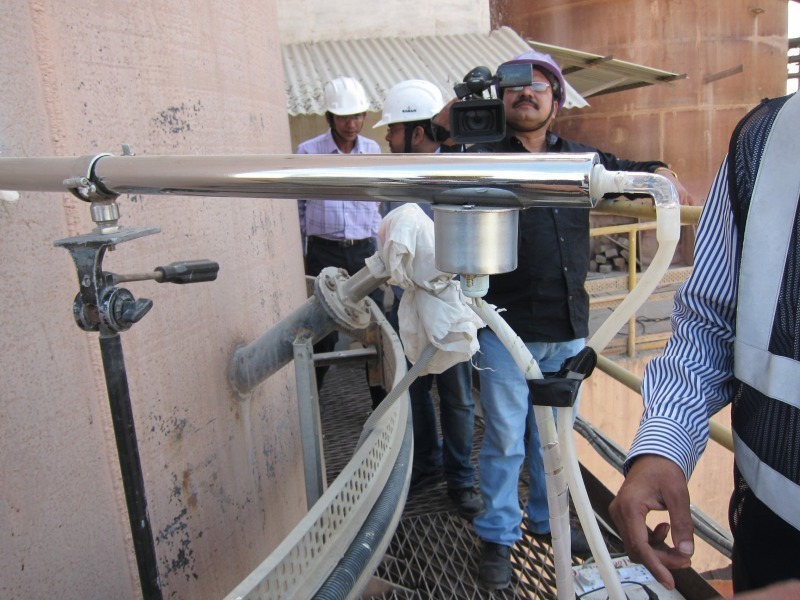
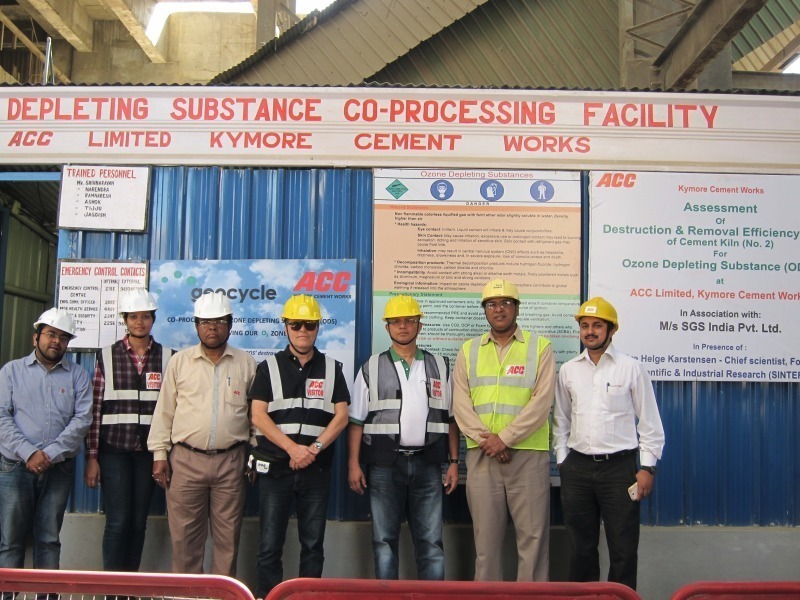
India has the second largest cement industry in the world, with 181 kilns, and has recently been exploring the possibility to increase waste treatment capacity through co-processing of wastes in the cement industry and several hazardous waste categories have been tested successfully (Fig. 5).
The GWP of CFCs destroyed in this study was: CFC-11 is 4750, CFC-12 10 890 and CFC-113 6130 over a time horizon of 100 years. The test demonstrated that the local Indian cement kiln using high feeding rates was able to destroy several concentrated CFC-gases effectively in an irreversible and environmentally sound manner, without causing any increased release of HCl, HF or PCDD/PCDF. The DRE was demonstrated to be > 99.9999 % for all CFC-gases, better than recommended by UNEP TEAP.
The demonstration indicated that cement kilns have a much higher disposal capacity than previously anticipated and that such an undertaking can contribute significantly to reduce the release of greenhouse gases; destruction of 16.3 ton of CFCs in the Indian cement kiln is equivalent to saving the release of 131 265 ton of CO2 to the atmosphere.
7 Conclusions
A feasible cement kiln may together with environmentally sound management and operational procedures, adequate safety arrangements and input control secure the same level of environmental protection in developing countries as in developed countries. As illustrated in several studies, instead of representing a threat to the environment and health, hazardous chemicals can in most instances be safely destroyed in a local cement kiln. The cost savings of using a local kiln are considerable compared to other treatment options – including export- and will contribute to the increase of disposal capacity in developing countries.
Results from some limited studies indicate however that feeding of hazardous chemicals and POPs should be restricted to the high temperature zone of the main burner, and that feeding to other lower temperature zones, e.g. kiln inlet or pre-calciner, should be done only with low concentrated material and after being proved safe and sound with satisfactory destruction.
Treatment and destruction of hazardous chemicals and POPs is controversial among some stakeholders and one accident may under worst case conditions undermine the acceptance in the entire industry, i.e. all parties involved have the responsibility to minimize risks and strive towards excellence and best international practice.

Überschrift Bezahlschranke (EN)
tab ZKG KOMBI EN
This is a trial offer for programming testing only. It does not entitle you to a valid subscription and is intended purely for testing purposes. Please do not follow this process.
This is a trial offer for programming testing only. It does not entitle you to a valid subscription and is intended purely for testing purposes. Please do not follow this process.
tab ZKG KOMBI Study test
This is a trial offer for programming testing only. It does not entitle you to a valid subscription and is intended purely for testing purposes. Please do not follow this process.
This is a trial offer for programming testing only. It does not entitle you to a valid subscription and is intended purely for testing purposes. Please do not follow this process.