Sustainable technologies for recuperation of concrete and cement recycling
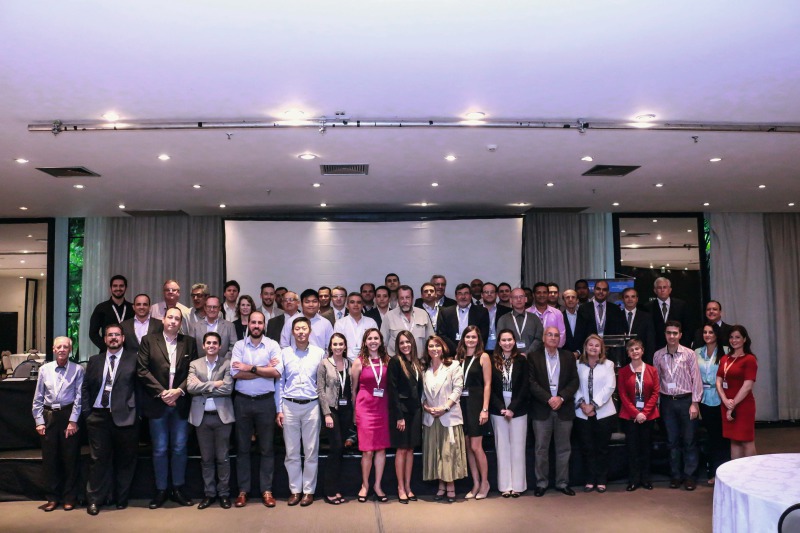
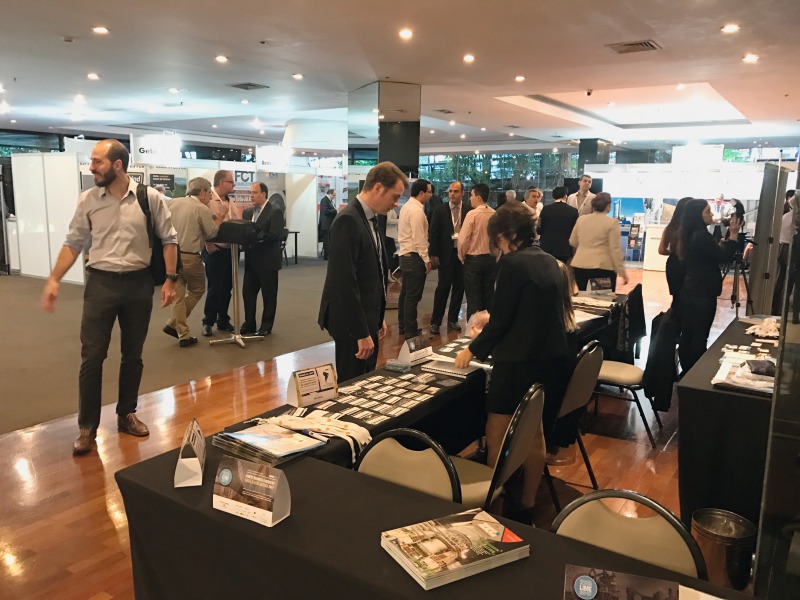
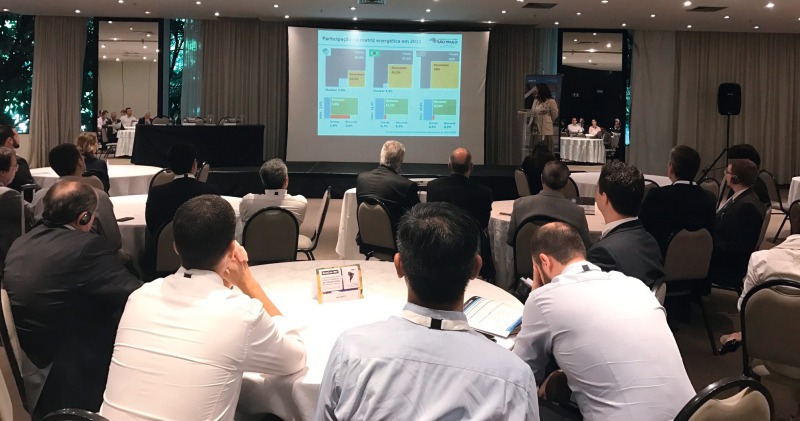
Produced and organized by GMI Global LLC, the 14th Conference and Exhibition of Cement Business & Industry 2017 (CBI) took place in São Paulo/Brazil on 15.02.–16.02.2017. This year’s conference was combined with the 4° Technical-Commercial Brazilian Congress for Concreting 2017 (BRASCON) that made it possible to hold three simultaneous and specialized sessions called Cement Technical, Lime and Brascon.
1 Introduction
Around 150 international experts from Europe, Middle and South America gained the possibility to attend presentations about the cement market and new technologies according to their interests and seized the opportunity to discuss information about the latest technologies and tendencies, not only at the business stands but also in planned discussion rounds.
2 Renewable energies and sustainability
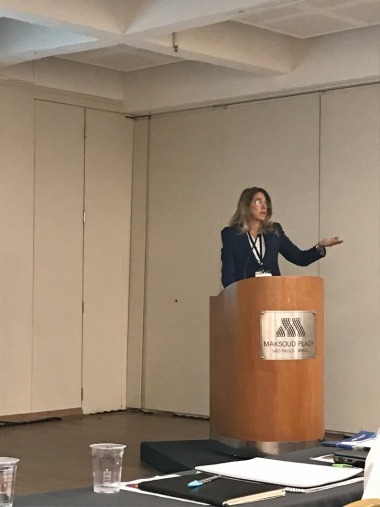
Following a short introduction speech by this year’s coordinator Beatrice Ene, Marilia Fanucchi, Special Advisor from the Secretary for Energy and Mining from the State of São Paulo,...
1 Introduction
Around 150 international experts from Europe, Middle and South America gained the possibility to attend presentations about the cement market and new technologies according to their interests and seized the opportunity to discuss information about the latest technologies and tendencies, not only at the business stands but also in planned discussion rounds.
2 Renewable energies and sustainability
Following a short introduction speech by this year’s coordinator Beatrice Ene, Marilia Fanucchi, Special Advisor from the Secretary for Energy and Mining from the State of São Paulo, presented the keynote opening, concerning a general and political picture regarding renewable energies (RE). She explained that the implementation of renewable energy as a governmental public policy was conducted with the aim to promote its development and to support the competitiveness and regional development. This way, the goals of reduction of Greenhouse Gas Emissions (GHG), implementation of a productive chain and energetic security are united. Today in Brazil, the energetic matrix is composed of around 57.5 % fossil energy, 41.2 % RE, 22.7 % biomass, and the worldwide energetic matrix consist of 80.8 % fossil and 14.3 % RE in 2015. Another important issue is the energetic recovery of Municipal Solid Waste (MSW), which has a significant potential in Brazil that is not explored sufficiently, in particular regarding co-processing (residue derived fuels (RDF)). According to Fanucchi the reason for that is the “great lack of knowledge about the processes”. Knowledge not only about the energetic recovery of waste but also about the indirect positive effects and the influence on the volume reduction of landfills and the extension of their lifespan.
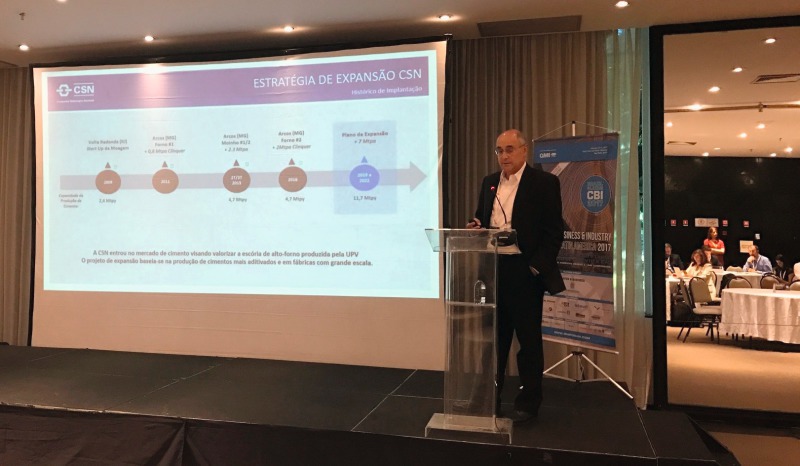
The Cement Business Director at CSN Cimentos, Eduardo Rabelo, presented the expansion of CSN with a focus on growth and sustainability. Today, its portfolio includes activities in steel, mining, cement, logistics and energy. The current expansion plan envisions production of cement with more additives and large-scale factories according to worldwide Best Available Technologies (BAT) for 2019-2022, so that a total amount of 11.7 Mt/a could be produced. With a capacity of 6500 t/d, the planned kiln at Arcos will be one of the largest in Brazil. In addition, concerning alternative fuels, the kiln is currently in the licensing process for co-processing. In view of sustainability, CSN invested in various educational projects, built museums, protected areas and has implemented environmental monitoring.
Going back to the subject waste as alternative energy source and therefore RDF, the Coordinator of the Technical University Braunschweig in Brazil and Director of Terra Melhor Ltda., Christiane Dias Pereira gave an economic, social and environmental overview about RDF’s sustainable repercussion. First, she stated that the usual long-term contracts in the waste sector should be a great market motivation for a cooperation between wastes and the cement sector. Furthermore, the unification of services reduces the risk of operation discontinuity due to unavailability of waste supply, thus, an integrated share of diverse activities reduces risks and equalizes the profitability, resulting in better return rates and greater attractiveness for businesses. A common point between these two sectors is the thermal substitution of energy source, which helps against disadvantages in the cement market, such as high consumption of energy and GHG emission, while the waste sector is subject to new legal targets for waste treatment. As already mentioned by Marilia Fanucchi, the greatest fragility in the waste sector is likewise the lack of knowledge, which in the past years mostly contributed to the failure in execution of contracts and measures. Regarding GHG emissions the latest calculations by the TU Braunschweig noted an increase up to 42 million t CO2eq until 2030, emitted only by landfills in Brazil. Therefore, is it clear that not only the cement sector but also the waste sector have very high reduction potentials, which could be seized through partnerships or cooperation. Another complex issue is the massive competition between recycling and energetic recovery of waste. Even though, these activities should be seen more as complementary than competitive, because the rejects from recyclable sorting still have high valorization potential for the production of RDF, hence the utilization in the cement industry.
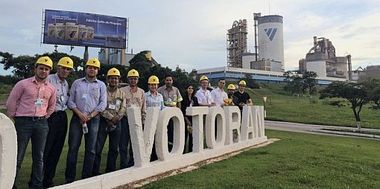
With a focus on sustainability, Regiane Velozo Dias, Environmental Coordinatior at Votorantim Cimentos, presented several sustainable projects aiming to fight against the stigma of “destroyer”. For this, dialogs and partnerships with important groups dedicated to the study and protection of caves in Brazil were formed. Good mining practices contribute to the conservation of biodiversity and protection of the caving heritage and motivates further projects that include the organization of environmental planning, socio-environmental elaboration, diagnostic and propositions.
3 Supplementary cementitious materials
In his address on blended cements or concrete mixtures based on blast furnace slag and natural pozzolan, Jean-Yves Bonnaire, Managing Director of Carib Sand & Stone, reported about the mixture of Portland cement with two supplementary cementitious materials (SCM). In the past years, an increased interest for ternary blended cements was detected, because it allows synergies and the combination of strengths and mitigation of weakness. An impact classification of SCM’s on fresh concrete demonstrates that improvements of factors, such as water demand, workability, heat of hydration and bleeding/segregation are possible. On the other hand, the setting time can slightly be delayed, although this can be seen as positive under specific conditions, and durability problems could be created through a reduction of air content. Only positive impacts were determined on hardened concrete, therefore long-term strength development, permeability and absorption, alkali silica reactivity, sulfate resistance and corrosion resistance. The single negative impact is the early strength development.
4 Concrete
In his research, José Roberto Romero, Neomix/UNIP, analyzed the potential use of lightweight concrete for E.V.A. (Ethylene Vinyl Acetate), aiming to elaborate a proposal for reutilization and valorization of polymeric waste that is used in the footwear and gym equipment industry as well as educational toys production. Currently in Brazil, a consumption of 100 000 t/a of EVA is estimated. Though, growing water content in the mixture and the penetration of cement slurry in the pores increased the consumption of cement per cubic meter. The appropriate mixture ratio of cement, sand and EVA was determined as 1:2, 8:0, 15 with aggregate dimension of 9.5 mm and 1:2, 8:0, 14 with aggregate dimension of 25.0 mm. Overall, the studies have shown good results in density and thermal isolation for the utilization of EVA in concrete for the application in floors and slabs regulation. Moreover, the utilization generates positive environmental impacts through the utilization of waste and therefore offering a sustainable solution for its treatment.
Luiz de Brito Prado Vieira, Votorantim Cimentos, held a speech about concrete waste and sustainability in concrete plants. He explained that there are two forms of waste at concrete plants, on the one hand losses at steps like calculation, methods, supply, finishing and control and on the other hand, returns of ballast and leftovers from construction companies. The principal reasons for returns of ballast are trapped material in the concrete mixer (49.6 %). There are quite a few more reasons for leftovers, such as wrong ordering (27.7 %), unprepared concrete (6.3 %) and concrete overdue (4.5 %) and more. At Votorantim Cimentos, an average of 1.7 % of the average monthly produced volume of 5000 m3 is returned, this represents 860 m3 waste of a plant, totalized 10 320 m3 of wasted volume per year by a single plant. There is a certain “taboo” regarding the quality of reinforced concrete, particularly because certain risks exist by compromising the quality. For recycling activities of recuperated aggregates, cement plants require physical space and slurry decantation must be avoided. The return of several concrete mixer trucks concomitantly can overload the system and generate a large volume of slurry. The impact matrix of effort and risk shows that reduction activities and recycled aggregates demonstrate low risks but high efforts. Reinforcing has a high impact and requests low efforts though high risks.
In his paper on technologies for the recuperation of fresh concrete, Fabio Leonel, Quality and Technology Manager at Lafarge Holcim Brazil, presented a scenario in which approx. 0.5 to 1.0 % of the produced concrete volume can be reused by means of two methods. First, the traditional horizontal settling box, like the Reciclador Schwing Setter, that requires low maintenance costs and simple operation but generates solid waste for disposal, thus costs around 15 to 18 R$/m3 and also risks of environmental contamination. The second method is mechanical recycling which requires less physical space, but has higher costs for implementation and maintenance and only processes coarse material. Moreover, he took the opportunity to present the hydration stabilizer additive “Aditivo Estabilizador de Hidratação (AEH) that enables the stabilization of concrete hours after it has been mixed. Finally, he stated that economic gains from the reuse of raw materials are significant, if considered that the average cost for raw materials is 165 R$/m3 and a potential reduction of around 0.83 to 1.65 R$/m3 is possible, also the costs for disposal of unused concrete would be reduced significantly (14 to 18 R$/m3).
Thiago Nobre addressed a similar topic about his research in reactivation and rehydration of Portland cement. Statistics showed that in 2015 approx. 122 262 t/d of construction and demolition waste was collected, 52 % in the southeastern region, 20 % in the northeast and 14 % in the south. In Brazil, a share of 8 % of demolition waste is recycled, compared to the Netherlands with a recycling rate of 75 %, Australia 51 % and Germany of approx. 40 to 60 %. In conclusion, several studies of cement hydration in different phases as well as granulometric and chemical analyses have shown that the rehydration of Portland cement paste en-ables the formation of a new and alternative cement with a low impact on the environment due to the mitigation of CO2 emissions through the use of construction waste.
The Initiative “Indicators of Concrete” by SINDUSCON-DE, represented by Gezeli de Roure Bandeira de Mello, elaborated quality indicators with the aim to generate a connecting point between suppliers and construction companies. These indicators are defined as punctuality, responsibility for delays, average concrete output, reprogramming, frequency and types of occurrences and control of concrete produced at the plant and applied on construction. For this project, voluntary responses of suppliers and construction companies are needed, with the objective of elaboration of a reliable databank, hence, contribution for the improvement of productivity in the sector aside from experience exchange between construction sites.
5 Alternative materials
Sandro Almada, General Environment Management at ArcelorMittal, emphasized the technical viability of use of steelmaking slag as mineral admixture. Blast Furnace Slags (BFS) and Steelmaking Slags (SS) are inherent, necessary for the production of pig iron, and steel. Granulated Blast Furnace Slags (GBFS) have consolidated application in the production of cement. Studies indicate that SS, if treated, have the potential to be used in the production of cement, which is a more worthy and valued application than conventional applications. Since no studies were found on blends of Granulated Blast Furnace (Charcoal) Slag (GBFSCh) and Electric Arc Furnace Slag (SSEAF), this research becomes relevant to the search for an interesting alternative with environmental and economic gains.
Under the topic Use of ash from Circular Fluid Bed (CFB) of Thermal Electric Desulfurizer in Cement Industry, Joaniel Martins, Foreign Land Ltda, showed his research results based on mineralogical characterization. Thus, the results have shown the presence of ettringite (Candlot salt) as a sulfur containing compound present in the original sample. This compound has direct influences by delaying the process of cement hardening. This is why CFB ash cannot be added directly to the cement, aside from the fact that it is coloured black. The X-ray diffraction of the calcined samples at 750 °C did not present the ettringite anymore, which indicated the correct need to use black ash. But the direct addition of this ash to cement ARI caused unacceptable delays up to 5 hours at the beginning and 8 hours at the end, decreasing the compressive strengths with the increased addition of crude ash.
6 News from the mechanical engineering
Representing Haver & Boecker, Clélio Toneli Filho, showed the new Haver equipment Roto-Packer RVT. The main goals are the optimization of maintenance and logistics with a higher flexibility and fewer spare parts. In this sense, module exchanges can be performed in the shortest time possible, saving up to an average of 49.5 hours per year for inspection and maintenance of a 12-nozzle machine.
True to the motto from small to big, the Loesche Group represented by Tais Mazza, constituted the new vertical mills Loesche for raw mix, coal and clinker and slag. Improvements are, for instance, more efficient support roller with lower vibration levels, optimized gas and classification and new control system LM-Master, in order to fulfil special demands by the cement industry, such as local production, flexibility and speed. In May 2017, the assembly of the first CCG, including three whole plants for milling of clinker, limestone and gypsum will begin in Yamoussoukro (Ivory Coast).
Tome Sinzato took the opportunity to present the Innovative Filter Technology for clean air, elaborated by Scheuch-Tersel. The filter is based on an energy minimizing concept (EMC), enabling a shortening of the plant from 6 m to 10 m, and thereby generating significantly lower investments costs. At the same time, Andre Cruz, Sales Director at Gebr. Pfeiffer, presented innovative Ready2Grind Solutions using MVR Technology. He emphasized, that the technology offers several advantages due to the flexible system that can be adapted to client’s requests, such as lower noise level, smaller plant area, lower energy consumption and a lower rate of wear.
For the first time present at the event, the Turkish company Kümas Turkey, represented by Emre Ozkurt, took the opportunity to present their kiln technologies at business stands and demonstrate their experience in selection of refractories for cement rotary kilns, according to different criteria in burning and transition zones.
7 Quality – the key for company performance
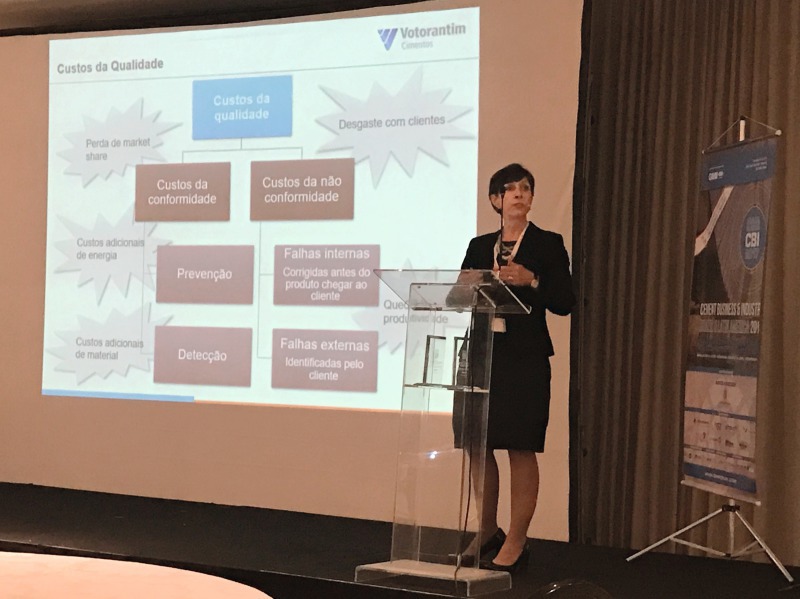
Quality is the key for company performance, in order to guarantee client satisfaction and reduce costs. Deliver the best quality product for the lowest price possible is the key issue for Votorantim Cimentos. Silvia Vieira, divided costs in two options, on the one hand, compliance costs for prevention and detection of errors and on the other hand, non-compliance costs for intern or extern failures, which all have an influence on the productivity, the market share loss, and additional energy or material costs. As different market segments (self-construction, concrete producers, infrastructure and others) demand different quality requirements that compare the required quality by the client with the real quality of the produced cement, as well as analyze the variability of the results and present the obtained results in form of radar charts. Since the introduction of these quality indicators a reduction of 15 kg/m3 concrete, in other words, a cost reduction of 4.20 R$/m3 of concrete was enabled.
According to the motto “Empowering your plant to reach the highest availability”, the international engineering company Fives, Fabio Rigotti, produces machines, process equipment and complete line production for the largest “players” of global industries dedicated to the mining and cement sectors. Today, around 240 kilns and 80 cements plants are installed worldwide. In Brazil, Fives provided machines like for example precalciner, dynamic separators, circuit optimization and entire cement lines for Votorantim Cimentos, LafargeHolcim, Intercement and Ciplan.
“Why invest in X-ray diffraction in times of crisis?” Danilo Bitar from Bruker asked and focused on cost reduction and stabilization of a high product quality in his speech. According to him, application areas of XRD in cement production are the determination of the true mineral composition of material and analyzes of raw materials for quality identification of sedimentary limestone, in order to determine degrees of carbonation and concentration of minerals, so that warnings can prevent potential energy losses. By analyzing the composition at all levels and identifying clinker loss or cyclone blockages, the kiln performance can be improved significantly, hence, costs can be reduced or revenues increased. More than 300 XRD systems are installed in the cement sector worldwide.
8 New challenges for the industry
Carlos Massucato from InterCement pointed out that sustainability brings new challenges, calling for innovations. Since 2015, the Brazilian economy has suffered an economic crisis, thereby significantly influencing the cement production that decreased from approx. 70 Mt to 56 Mt until today. Trends still indicate a worldwide growth of cement production. He proposes that only combined solutions can harmonize rheological behavior design, particle dispersion, particle packing engineering and minimum content of highly reactive binder.
Cimento Apodi, represented by João Butkus Filho at the event, has successfully implemented the first Waste Heat Recovery System (WHRS) at the Quixeré Cement Plant in Brazil, with the capacity to generate 6000 kW. The Quixeré Plant is an integrated cement plant with a clinker capacity of 3500 t/d and cement capacity of 1.5 million t/a. Beside several positive aspects, such as electrical energy savings, low operational cost and short payback time, this system has also significant disadvantages like the water consumption, what is an important factor due to water scarcity particularly in the northeastern regions.
Luciano Gobbo announced the merger of the companies Panalytical and Malver in 2017. More-over, he explains why X-ray diffraction technique to quantify cements with non-crystalline materials in their composition are needed in cement production processes. Most of all because it is one of the fastest solutions to know which element effects or changes the resistance or structure or other properties, for example. The Aeris edition for cement with a user-friendly interface and software facilitates fast and flexible analyses.
Arnaldo Andrade, CEO of Metzkerandrade, presented conceptual issues for choosing the best available technology and procedures to run a cement Greenfield project, reaching from mine modeling over crushing and milling technologies, decisions for kiln and clinker cooling systems up to the implementation of WHRS. Andrade takes the view that it is difficult to make WHRS feasible in plants with clinker capacities of less than 3000 tons per day. Furthermore, it brings an increase in water consumption, which due to water shortages in some regions and periods could cause problematic issues. Nevertheless, it is still a good alternative for regions with a high frequency of electric power discontinuity. Maybe the use of WHRS will become more attractive in view of COP agreements from Paris.
9 Sustainable Energy Program
In her paper on the Sustainable Energy Program: Opportunities and Requirements of the ISO 50001, Marisa Zampolli, Energy Management Specialist at the International Copper Association, Brazil ICA, addressed the importance of energy management for the mitigation of GHG emissions and further energy related impacts, particularly on the environment as well as cost reductions. Although Brazils GDP decreased from 6.15 % to 5.74 % in the world economy from 2000 to 2015, the energy consumption and CO2 emissions presented average annual rates up to eight times superior compared to global rates. In this sense, she pointed out that the main objective of the energy management system ISO 50001 is a continuous improvement process within an overall management framework instead of single measures. First, it is necessary to create a basis by identifying and establishing basic lines and improvement goals for all significant energy sources, the consumption and energetic efficiency. Until October 2016, around 5931 companies were certified in Germany, 390 in Spain and 33 in Brazil. Leading companies worldwide are WEG in Brazil, Schneider Electric in the United States and JK Lakshmi in India, with improvements in energetic performance from 11 % to 15 %.
10 Lime in Brazil
Finally, Rene Vogelaar, Bahamut Consulting, gave some perspectives on Lime in Brazil in 2017 as an introduction to the panel discussion about Lime Sector Challenges. The discussion about fuels and prices with regard to the Brazilian crisis showed that particularly costs are an important factor. Policy changes are needed in order to change the current situation and support alternative fuels, so that these are more profitable and therefore more attractive for companies. A further question is whether sugar cane could be used as an addition to limestone. Due to the current economic crisis and the decrease in civil construction, the participants assume that the lime industry is struggling and will continue to struggle for more or less 3 to 5 years. Additionally, more difficulties arose through droughts and water scarcity in the past years, so that prices for fines and transportation of sugar cane compared to limestone must still be considered as an important factor. With regard to performance, sugar cane offers a three times higher rate than limestone.
11 Panel discussions
The final panel discussion from end user perspective about the future of lime, new entrants, competitors and alternative products for consumers was guided by Laercio Solla General Manager of Limes & Agro Inputs Votorantim, Savio Torres (Director of Operations Lhoist), Arcelino Souza (Lead Buyer ArcelorMittal) and Fabio Camargo from Gerdau. In fact, it became clear that investments are seen as a necessity for the lime sector, particularly in areas of innovation and sustainability. A further important subject was compliance of international companies, especially because eastern countries are not complying, which impedes cooperation and associations. This is important not only for producers but also for consumers, hence representing a major problem.
12 Awards show
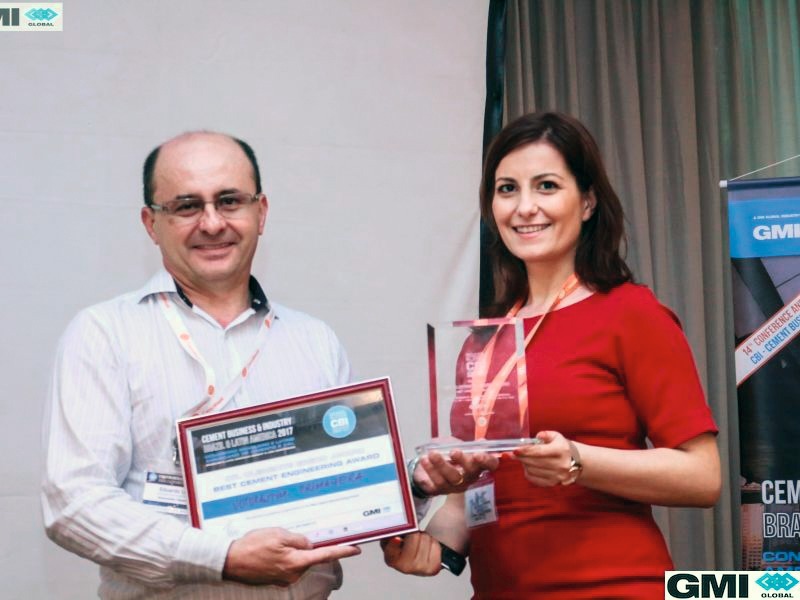
Aside from interdisciplinary presentations and exhibitions, the conference also hosted two award ceremonies. Two projects were awarded with the 4rd annual Dr. Clemento Greco Award 2017. First, the best project Innovation, Environment or Sustainability in Cement for the project “Utilization of black mud (caron rejects) from VM Niquelândia as pouzzolan “Class E” by José Eustáquio Machado and Silvia Regina S. S. Vieira (Votorantim Cimentos).
This year’s best project in Cement and Lime was won by Eduardo Ursi, also from Votorantim Cimentos, for the project “Handling of high complexity raw material in the unit primavera Votorantim Cimentos”.
Aside from new process technologies, the main discussions at the CBI 2017 ranged from tendencies of market strategies to guarantee of energy efficiency, the use of alternative fuels for co-processing and the use of additives to replace clinker. In addition, the participants discussed potentials for capture, storage and use of CO2 in order to contribute to the development of the cement industry in Brazil towards a low CO2 economy by using technical solutions allied to a range of recommendations from academic, government and financial sectors.

Überschrift Bezahlschranke (EN)
tab ZKG KOMBI EN
This is a trial offer for programming testing only. It does not entitle you to a valid subscription and is intended purely for testing purposes. Please do not follow this process.
This is a trial offer for programming testing only. It does not entitle you to a valid subscription and is intended purely for testing purposes. Please do not follow this process.
tab ZKG KOMBI Study test
This is a trial offer for programming testing only. It does not entitle you to a valid subscription and is intended purely for testing purposes. Please do not follow this process.
This is a trial offer for programming testing only. It does not entitle you to a valid subscription and is intended purely for testing purposes. Please do not follow this process.