Co-processing is becoming
an explosive topic
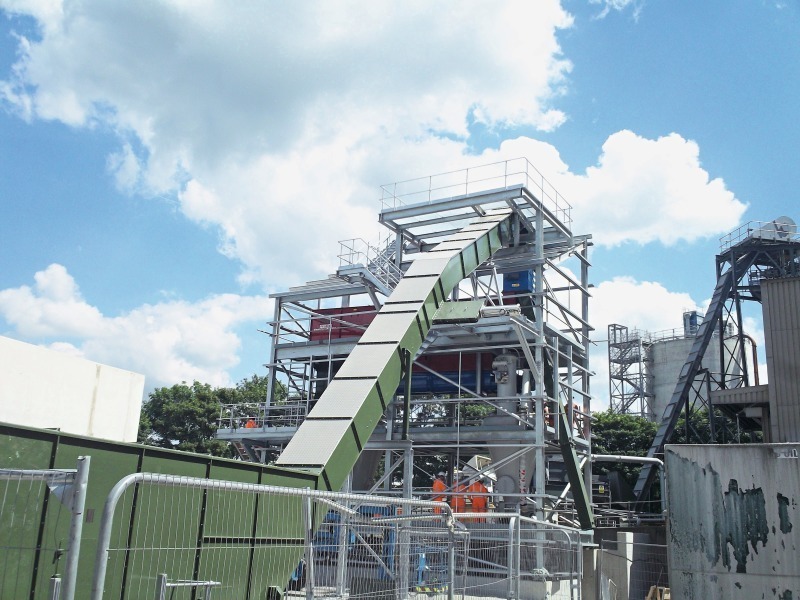
Materials used for co-processing typically consist of pre-processed liquids or solids in the form of chips, pellets of fluffy crumbs. However, the use of liquid and solid alternative fuels in cement kilns is bringing new danger.
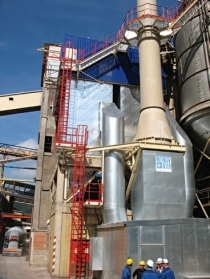
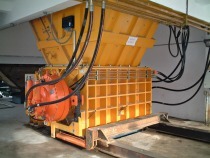
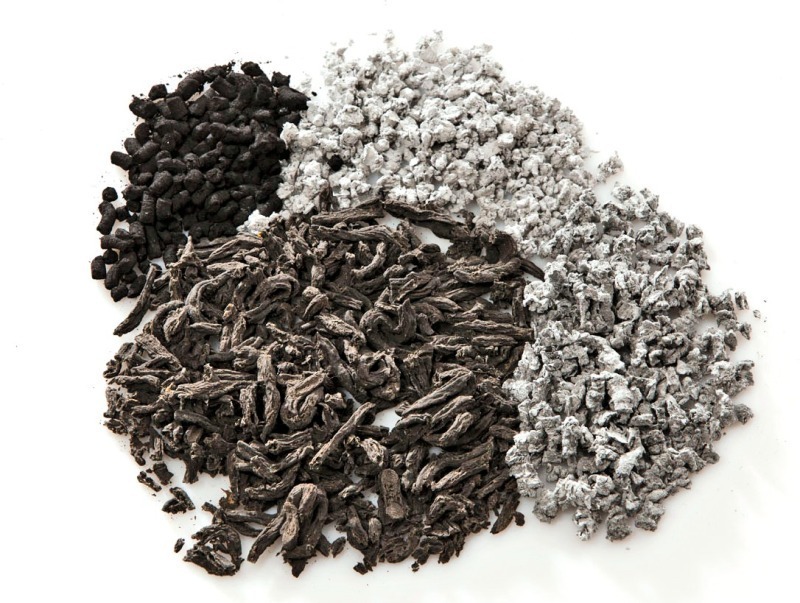
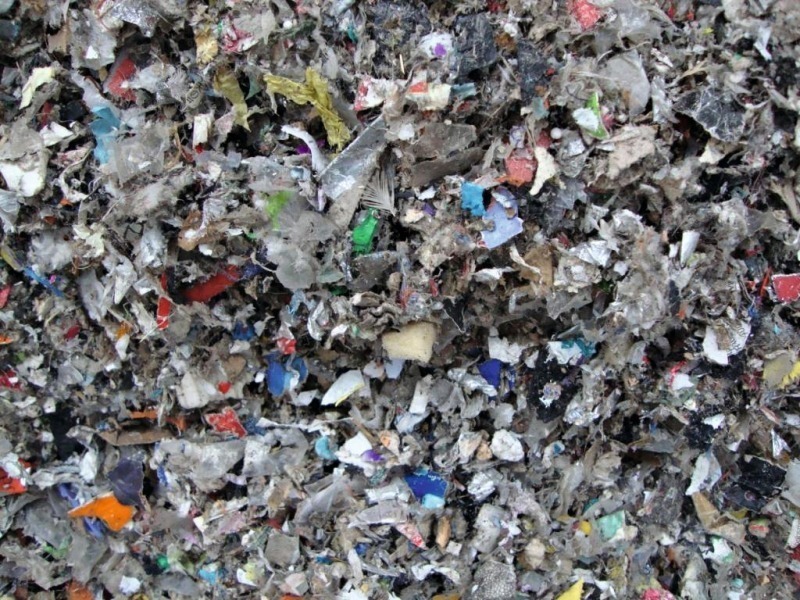
Many European cement kilns are now co-processing alternative fuels for coal substitution to reduce their carbon emissions and to reduce operational fuel costs. Materials used for co-processing typically consist of pre-processed municipal waste derived high calorific fractions, industrial liquid waste like solvents and solid, commercial waste including wrappings like paper, card, textiles or plastic, or end-of-life tyres, dried sewage sludge (Fig. 1) as well as meat and bone meal (MBM) in the form of chips, pellets of fluffy crumbs (Fig. 2).
Typically, the risks from gas explosions gets much...
Many European cement kilns are now co-processing alternative fuels for coal substitution to reduce their carbon emissions and to reduce operational fuel costs. Materials used for co-processing typically consist of pre-processed municipal waste derived high calorific fractions, industrial liquid waste like solvents and solid, commercial waste including wrappings like paper, card, textiles or plastic, or end-of-life tyres, dried sewage sludge (Fig. 1) as well as meat and bone meal (MBM) in the form of chips, pellets of fluffy crumbs (Fig. 2).
Typically, the risks from gas explosions gets much more interest than dust explosions. However, the use of solid alternative fuels in cement kilns is presenting new hazards. Some fuels may contain hydrocarbons and additional volatiles and are easier to ignite than pulverised coal (PF).
It is dangerous to ignore the explosion risks arising from dust atmospheres, best illustrated by (but certainly not limited to) the Imperial Sugar incident in 2008. Many materials which we would consider as non-hazardous, such as food stuffs, are explosive. In general, if organic material is in a fine, dry state it has the high potential of being explosive.
The Dangerous Substances and Explosive Atmospheres Regulations (DSEAR) relates to explosive gas and dust atmospheres and compliance with DSEAR is a legal requirement in the UK. DSEAR is the UK equivalent to the European directive, ATEX 137, also referred to as the ATEX user directive (as opposed to the ATEX equipment directive, ATEX 100A, which is identical within Europe and the UK). DSEAR compliance is the responsibility of the employer and focuses on protecting workers from potentially explosive atmospheres.
Both DSEAR (UK) and ATEX (EU) requires the employer to identify areas which are hazardous due to the presence of an explosive atmosphere and to take measures to entirely remove or reduce the extent of these areas. Reducing an explosive atmosphere is given top priority over other risk reduction measures such as reducing potential ignition sources or reducing the consequences of an event.
Newly equipped plants for co-processing to fire kilns require a process for delivery receipt, bulk storage and material handling. All these activities can liberate dust. It is important to capture dust at the primary source of release to reduce the probability of having an increased risk of potentially explosive atmospheres. An effective dust extraction system allows the operator to exactly remove this explosive dust atmosphere from the work area.
The European Standard which provides guidance on identifying potentially explosive areas due to gases and vapours (EN 60079-10-1) is particu-larly prescriptive regarding the role of ventilation in reducing the presence of an explosive gas atmosphere. The accompanying standard which provides guidance for explosive dust atmospheres (EN 60079-10-2) is not so prescriptive; however it indicates how the principle of using local extraction can be applied to remove or reduce an explosive dust atmosphere.
In addition dust generating activities, such as tipping, conveying, and screening, introduce other detrimental health issues under normal conditions. Meaning the worker is directly exposed to the dust generated by his activities, a situation covered by the UK´s COSHH (Control of Substances Hazardous to Health) and the European CAD (Chemical Agents Directive) regulations, but at concentrations below where the dust cloud may become an explosive risk. Obviously, the dust will sediment all over the surfaces within the facility creating layers.
It has been proved that 1 mm of dust lying on the floor can generate a concentration of 60 g/m3, when dispersed to a dust cloud with 5 m of expansion, and when dispersed to a cloud of 1 m height the concentration will increase to 400-500 g/m3. The majority of organic combustible dusts have a minimum explosive concentration of 60 g/m3 and will provide best hazardous conditions at 400-600 g/m3.
Although the chance of an affecting ignition source may be considered as low for the majority of combustible dusts, the consequence of a secondary dust explosion or indeed a series of secondary dust explosions are often catastrophic and lead to the total loss of facilities and often include multiple fatalities. The Chemical Safety Board shows many excellent videos which demonstrate significant hazards as i.e. in “Combustible Dust – An Insidious Hazard” (//www.csb.gov/videoroom" target="_blank" >www.csb.gov/videoroom:www.csb.gov/videoroom).
Therefore, the collection of dust within the process is of paramount importance. Not only do robust collection techniques reduce the risk of secondary dust explosions, they also reduce the external hazardous zone extention (Hazardous Area Classification) regarding the requirements of DSEAR and ATEX 137. Ultimately, this reduces the costs of monitoring the equipment assigned to a distinguished hazard area down to a minimum.
Managers, operators and technicians must be educated with respect to the danger of combus-tible dusts to ensure that leaking combustible dust is immediately removed and the leaking equipment repaired, treat as an emergency high priority action, the same as you would perform if flammable gases or liquids where found to be leaking from the process.
When new plants are designed or current installations are inspected special attention should be paid to the collection of dust, i.e. to keep the dust inside the process by removal at the source by effective local exhaust ventilation. Quite often ignored, further opportunities to reduce dust release are to handle bulky material more carefully by limitation of turnover points from conveyors, as well as to reduce the heights for materials falling down into the process, and mitigating additional attrition and to reduce sedimentation of fine dust.
It is often observed, that the dust is sometimes fed back into the process very close to where it was removed or even further upstream, so the dust is circulating in the process line. Dust collected from the process should be kept away from the process until the final point at which it is re-entered prior to the boiler injection. The less dust occurs or circulates in the process the lower is the chance for a potential primary and secondary incident, consequently smaller hazardous zones and lower risk.
Having a good understanding of explosion science it is important to implement sound measures so that solutions are based on scientific fact and not on such criteria as – and often seen – phrase, like “anecdotal evidence”. It is important that all safety systems are fully designed and justified and the same applies for changes to zone classification and extent.
Remember, over-classifying the zones is always false economy and only leads to the recommendation for more certified ATEX-safe equipment. Risk is a product of probability and consequence, ATEX certified equipment only reduces the probability of an effective ignition source being present, other factors such as reducing the likelihood of a flammable atmosphere or reducing the consequence of an event by some form of mitigation may prove to reduce the risk to an acceptable level without the replacement of existing equipment.
Every effort to contain the combustible dust within the process can always be economically justified by the offset of reduced cleaning costs, reduced maintenance, improvements in working conditions and not least efficiency of the process and reduction of material waste.
The UK has not had any major secondary dust explosions recently, this would suggest the law of probability is now tipping the scales in favour of a significant event very soon.
It is very important to understand that an appreciation of DSEAR/ATEX 137 and the science involved by means of a short course is not the same as gaining an in-depth knowledge of the subject. Assessments and therefore risks will vary according to the level of knowledge, training, experience and hence competency possessed by the individual completing the tasks. In many large plants and complex cases it may be wise and often prove cost effective to seek advice and assistance from experienced professionals.
Don’t let this happen at your facility, take assistance and measures to reduce dust levels within your new co-processing equipment.

Überschrift Bezahlschranke (EN)
tab ZKG KOMBI EN
This is a trial offer for programming testing only. It does not entitle you to a valid subscription and is intended purely for testing purposes. Please do not follow this process.
This is a trial offer for programming testing only. It does not entitle you to a valid subscription and is intended purely for testing purposes. Please do not follow this process.
tab ZKG KOMBI Study test
This is a trial offer for programming testing only. It does not entitle you to a valid subscription and is intended purely for testing purposes. Please do not follow this process.
This is a trial offer for programming testing only. It does not entitle you to a valid subscription and is intended purely for testing purposes. Please do not follow this process.