Alternative fuel handling for a UK cement plant
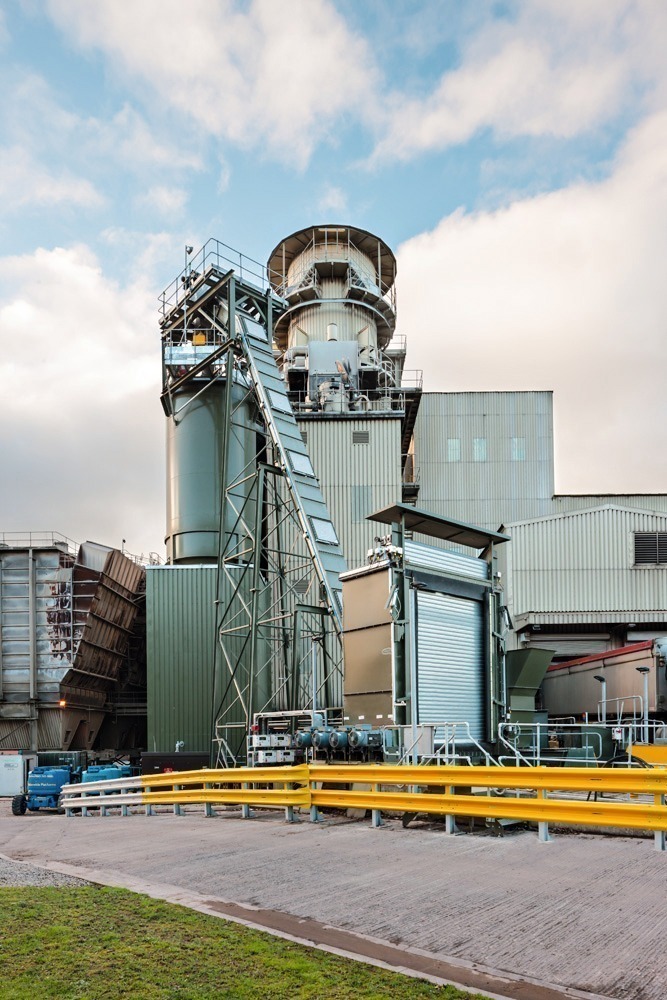
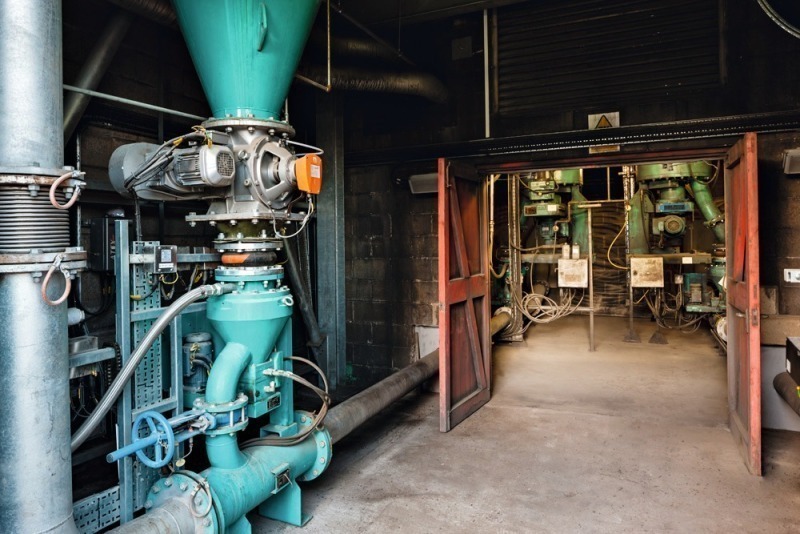
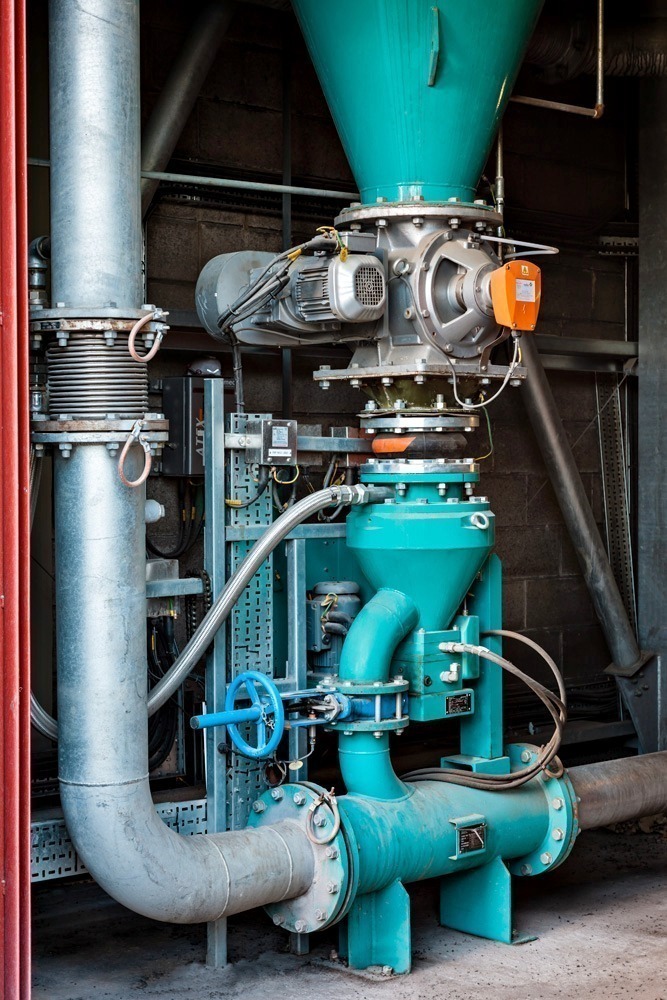
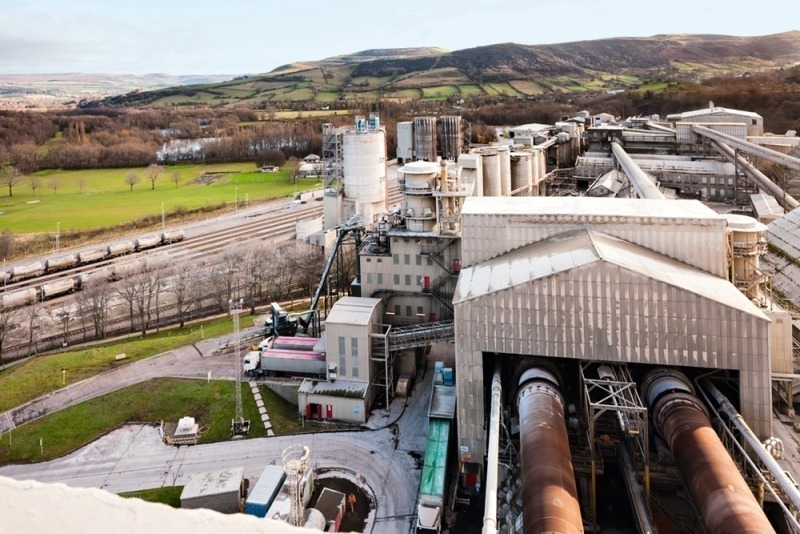
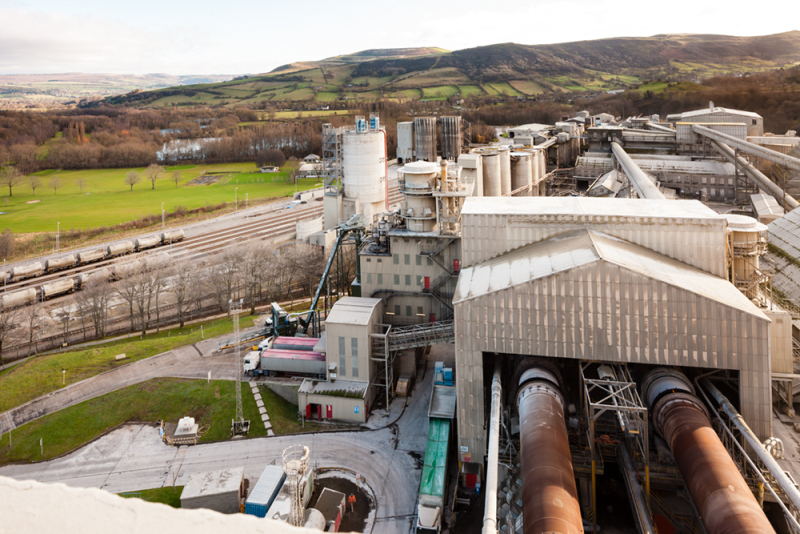
Schenck Process in has planned an alternative fuel PSP handling and feeding system for a large cement plant in the UK. The new system provides a reliable and economically processing solution under the aspects of a sustainable development.
The client company is committed to work with the local...
The client company is committed to work with the local planning authority and local community to deliver low impact, environmentally friendly construction solutions whilst driving down manufacturing costs and improving product quality. They are committed to using pre-processed sewage pellets (PSP) as an alternative fuel, as a partial substitution for the traditional fossil coal. PSP is a pelletized and dried filter press cake of sludge from waste water treatment. Due to an added lime or polymer additive PSP will show calorific value similar to lignite.
The valorisation of pre-processed, waste-derived fuels to replace conventional fossil fuels, in particular such as coal, is a widespread industrial practice and can contribute to reducing the use of natural resources and global warming impact and the total environmental footprint of the cement industry. Clinker production typically occurs in a rotary kiln where lime, sand and clay are heated to about 1450 °C to form the required mineral phases.
Thus, the client decided in 2011 to introduce additional alternative fuels to their existing list of fuel already being used to reduce the use of fossil fuels in their kiln and pre-heater tower. The use of PSP as a fuel has meant that the plant could reach a thermal substitution rate (TSR) of over 50 %, which is slightly above the industry standard and also have plans to increase this percentage in the future with the potential use of other similar alternative fuels.
The use of PSP material required a modification to the existing handling systems that have been used for other fuels. The client´s initial assessment was to utilize their existing MBM (Meat and Bone Meal) plant and convert it to handle the new fuel. They approached Schenck Process for their advice and expertise in weighing, feeding, dosing and material handling. So first, the technical assessment showed to convert the existing MBM plant to handle PSP is possible but not the best solution as it could lead to inflexibility in operation and would be a costly exercise to reclassify the current areas to the higher ATEX requirements for the additional equipment that would be required.
Taking these considerations into account Schenck Process suggested an alternative solution. This new solution combined the use of the existing Multicor coal feed system, currently feeding the kilns and the use of an additional new feeding system for PSP, working in-line with the existing coal feeders. The new system allowed the same conveying lines to the kilns to be used, whilst also utilizing proven equipment technology. The proposal is a proven best practice approach which was already used on site and one that was respected by the client´s engineers for its reliability and high performance capability.
The client´s project manager commented that one of the reasons for choosing Schenck Process equipment for the transport of the PSP fuel was “the good experience we had gained and that systems had been used for over ten years for the coal feeding operation, so when we needed a parallel system for handling PSP material, they were the natural choice.” The solution respected the requirements of handling PSP material and as the system used the same computer control system as the existing installation and being located next to the coal bunkers meant that the same delivery pipes to the kiln could be used.
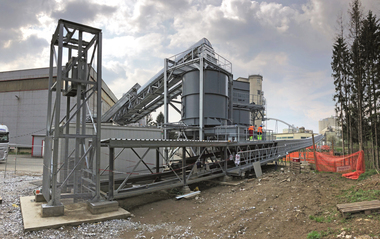
The material handling starts with the intake of the PSP onto site, which required a system reception point to receive the material discharged from walking floor vehicles and transfer the material reliably and effectively to bulk storage silos, ready for discharge into the Multicor units that would dose the material into the existing coal feed line to the kiln. Schenck Process proposed the use of their bulk reception docking station complete with variable speed multi-screw feeder discharge system. The docking station allows the vehicle walking floor trailer to dock with the unit and discharge its load in a controlled and safe manner, without dust egress and spillage. The docking station is fitted with dust extraction and a roller shutter door to the front to protect against adverse weather conditions when not in use.
The base of the receiving unit is fitted with four screw feeders, that feed the material directly into a Schenck Process‘ Redler chain conveyor and elevator, that delivers the material to two bulk storage silos, allowing material to be discharged via a screw feeder and isolation arrangement located to the top of the silo. Explosion vents fitted to the docking station and along the elevator, provide explosion venting protection, designed to relieve the pressure rise within the system by means of bursting discs should an explosion occur within the docking station or chain conveyor during unloading and transfer of material to the two silos. A slam shut valve is also used within the system to prevent flame propagation should an explosion occur and trigger secondary explosions within the system.
The outlet of each silo is fitted with a silo discharge aid for effective and reliable silo discharge of material. Material is discharged into a feed hopper located above the Multicor units, which also acts as a calibration hopper for online calibration of the feed accuracy of the units.
The facility to control the discharge of material from the Multicor unit is controlled via a variable speed motor. An analogue signal from the main kiln control system sets the PSP discharge rate, allowing the feed to be controlled independently in conjunction with the coal feed system. The Multicor mass flow meter uses the Coriolis force measurement principle to determine the mass flow within the device which monitors the weight of material that passes through the unit.
Schenck Process integrated its controllers within the client‘s main PLC control system which is used for the control, monitoring and operation of the mass flow meters and measurement to obtain the amount of material that is being delivered to the kiln.
This combination of Schenck Process products and technologies provides a totally flexible, reliable and cost effective method of feeding alternative fuel into the main burner of the kiln.

Überschrift Bezahlschranke (EN)
tab ZKG KOMBI EN
This is a trial offer for programming testing only. It does not entitle you to a valid subscription and is intended purely for testing purposes. Please do not follow this process.
This is a trial offer for programming testing only. It does not entitle you to a valid subscription and is intended purely for testing purposes. Please do not follow this process.
tab ZKG KOMBI Study test
This is a trial offer for programming testing only. It does not entitle you to a valid subscription and is intended purely for testing purposes. Please do not follow this process.
This is a trial offer for programming testing only. It does not entitle you to a valid subscription and is intended purely for testing purposes. Please do not follow this process.