Focus on energy use
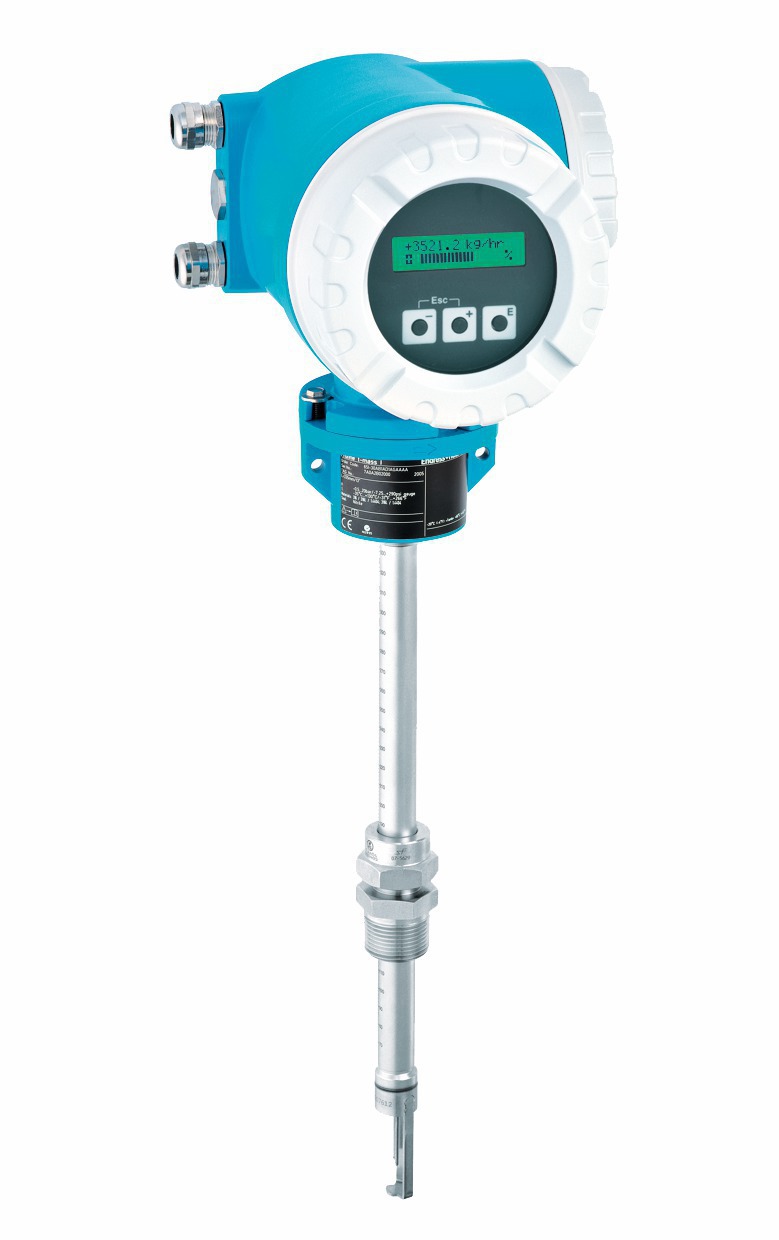
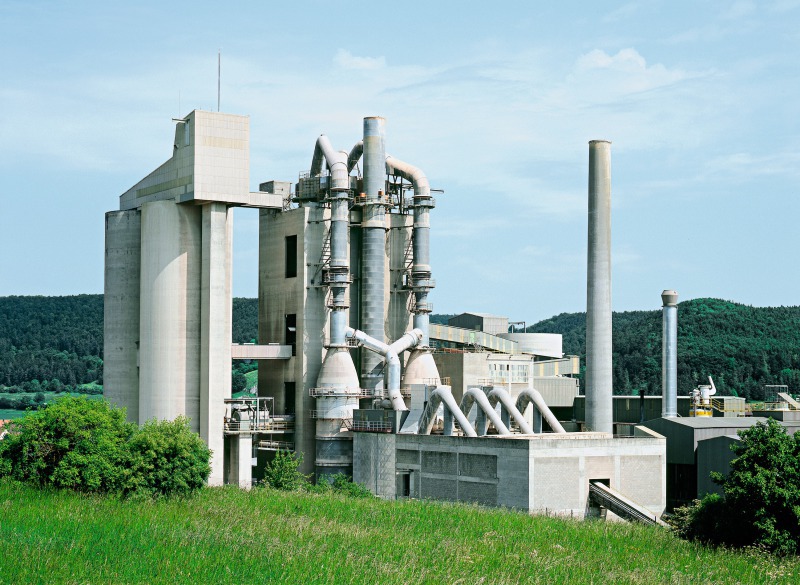
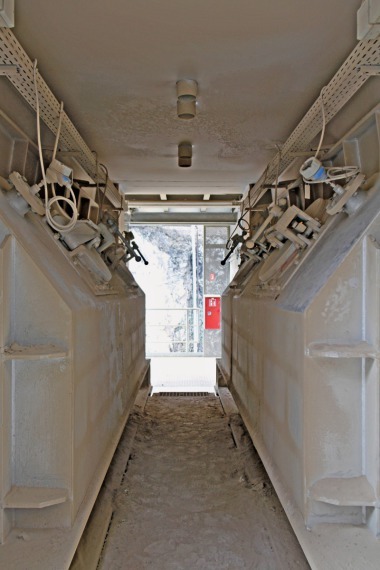
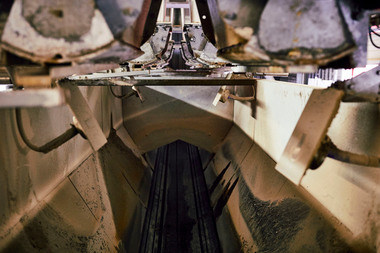
The thermal processes used in the industries which process bulk materials, such as cement production, lime burning, glass-melting, production of insulating materials and bricks/tiles, all consume very large amounts of energy. The companies involved thus have a great vested interest in increasing their energy-efficiency.
The lead industries are cement and lime, where energy accounts for approximately 50 % and 60 % of the costs, respectively. Endress+Hauser can offer more than twenty years of experience in the field of energy efficiency, in order to assist companies in saving energy. The range of services available extends from selection of the right measuring points and design of appropriate measuring methods, up to and including the planning and implementation of complex projects, always with the main focus on consulting on all facets of energy management. Use of energy is thus optimised, and energy costs...
The lead industries are cement and lime, where energy accounts for approximately 50 % and 60 % of the costs, respectively. Endress+Hauser can offer more than twenty years of experience in the field of energy efficiency, in order to assist companies in saving energy. The range of services available extends from selection of the right measuring points and design of appropriate measuring methods, up to and including the planning and implementation of complex projects, always with the main focus on consulting on all facets of energy management. Use of energy is thus optimised, and energy costs reduced. The generation, distribution up to the end consumer and use of energy in production processes are all analysed. Typical energy media, such as water, compressed air, technological gases – including nitrogen and argon – cooling, heating and electricity, are all examined.
Measurements and indicators
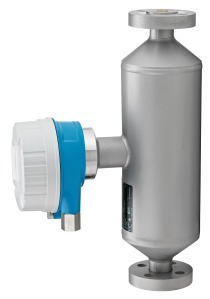
The fundamental requirement for optimisation within an energy-management system is transparency concerning energy consumption. Appropriate indicators are depicted additionally, in order to obtain clarity here. Once these are known and have been defined, the necessary measurements can be assessed. Which are the important measurements needed to depict indicators and achieve clarity on energy consumption? Where does the energy come from, and where does it go? In what form is it used? The answers are provided by means of analyses of available information, such as measurements by the energy supplier, for example, or of data from the process-control system and the plants as such. Relevant measuring points are determined, prioritised and recommended to the customer. The existing control and instrumentation (C&I) technology is analysed for its accuracy, relevance and network-capability, and this data is incorporated into the results. Thus, there is then a schedule for the introduction of an energy-monitoring system, or for the expansion of such a system. This structured approach enables customers to save unnecessary investments and time. Yet another consideration is also of importance: will fixed measuring instruments justify their cost, or will temporary measuring systems suffice? In many instances, sufficient information for a correct decision is not available locally. In some cases, consumption figures are not known, with the result that possible savings potentials cannot be derived. It is then more difficult to justify an investment, or savings potentials may be suspected, but cannot be estimated. We make use of temporary measurements in such situations; these can be performed without interruption to the process, and provide a quantitative basis for further decisions.
Energy monitoring
The mere measurement of energy data is not sufficient, however. The figures must be made visible and presented in a suitable form. A permanent link to a higher-level system is recommendable in the case of figures which are read off frequently and continuously, and are supplied by fixed measuring instruments. Within the scope of its consulting services, Endress+Hauser provides, inter alia, its dedicated eSight energy-monitoring software. This package focuses on reporting, in complete conformity to ISO 50001. Rapidly generated analyses and reports indicate potentials and improvements achieved, and verify the savings made. Precise presentation of energy costs also introduces a further dimension: not only energy consumption is analysed, but also the actual financial costs. Alarm management is an additional functionality and assists energy managers in keeping energy consumption under control. This function provides, inter alia, warnings when deviations, overshoots and undershoots occur, and also in case of inadequate data.
Analysis improves energy efficiency
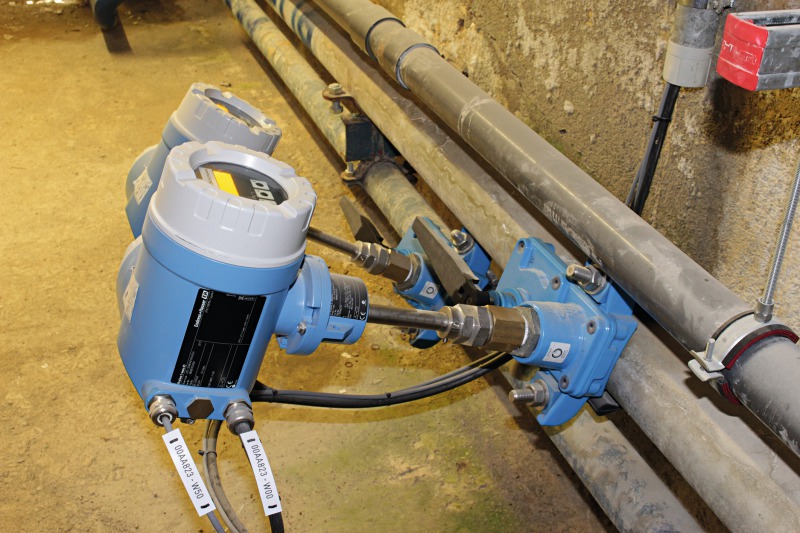
Analysis of the reports identifies existing potentials. A study of the specific power consumption of compressors can, when referred to compressed-air production, reveal, for example, that one compressor operating at full load needs more electricity for the same output of compressed air than multiple compressors operating only at part load. Or that compressed-air generation produces waste heat which could be used in other processes. This was, in fact, a discovery made by ourselves for a major German cement producer, who was then able to recover, in the form of thermal energy, 21 % of the power consumed for generation of compressed air.
Conclusion: Endress+Hauser’s holistic and continuous consulting services assure harmonisation of all elements of energy management. This service enables the customer to keep energy and energy savings in focus and implement an all-in solution.
//www.de.endress.com" target="_blank" >www.de.endress.com:www.de.endress.com

Überschrift Bezahlschranke (EN)
tab ZKG KOMBI EN
This is a trial offer for programming testing only. It does not entitle you to a valid subscription and is intended purely for testing purposes. Please do not follow this process.
This is a trial offer for programming testing only. It does not entitle you to a valid subscription and is intended purely for testing purposes. Please do not follow this process.
tab ZKG KOMBI Study test
This is a trial offer for programming testing only. It does not entitle you to a valid subscription and is intended purely for testing purposes. Please do not follow this process.
This is a trial offer for programming testing only. It does not entitle you to a valid subscription and is intended purely for testing purposes. Please do not follow this process.