Modern cement production
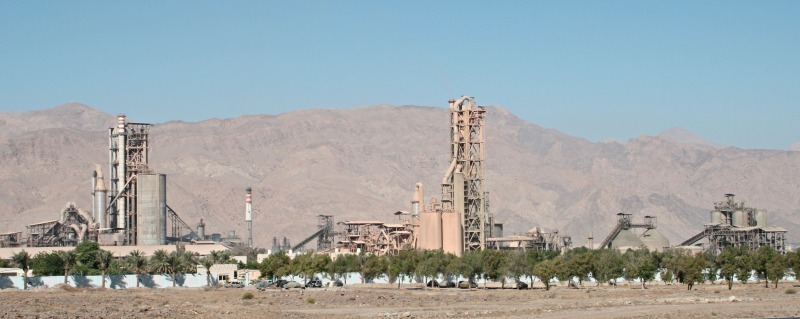
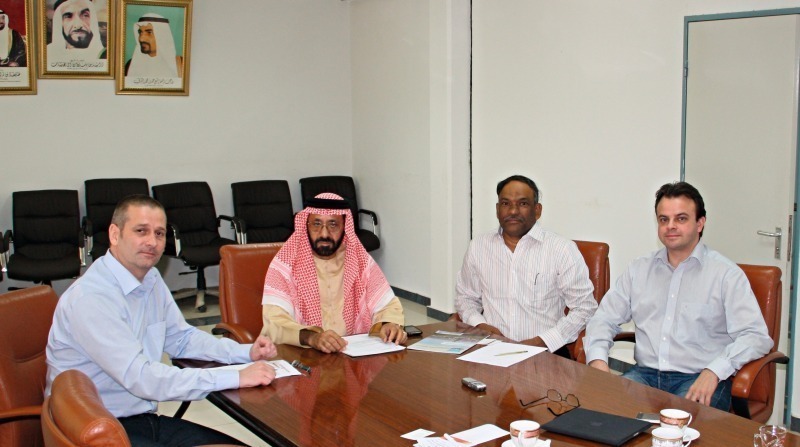
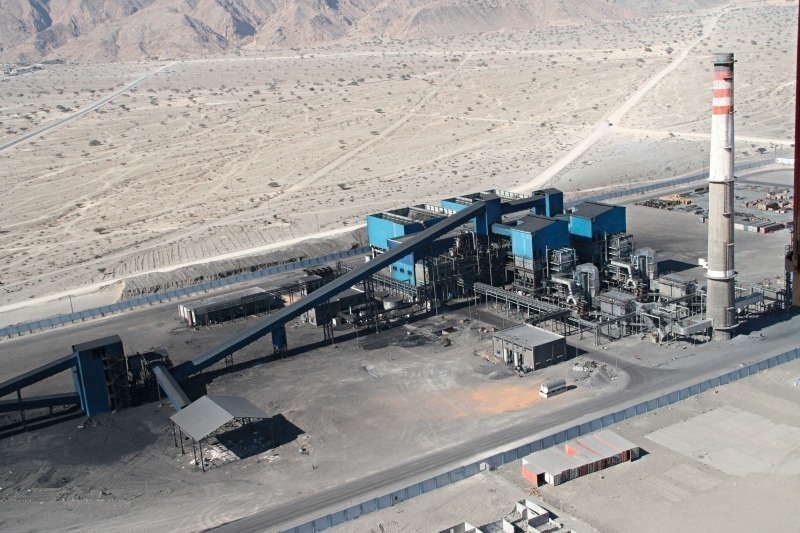
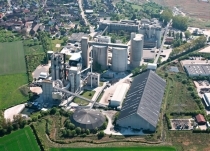
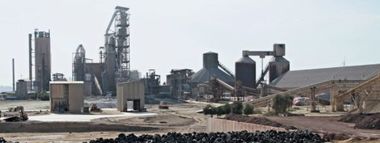
Fujairah Cement Industries (FCI) has for the last thirty years been one of the leading cement companies in the United Arab Emirates (UAE). A new line has now increased production capacity from 4600 t/d to 12 100 t/d (Fig. 1). ZKG INTERNATIONAL visited the plant and spoke to general manager Nasser Khammas and works manager V. Sreenivasa Murthy (Fig. 2) on current trends and future prospects, subsequently taking a tour of the plant.
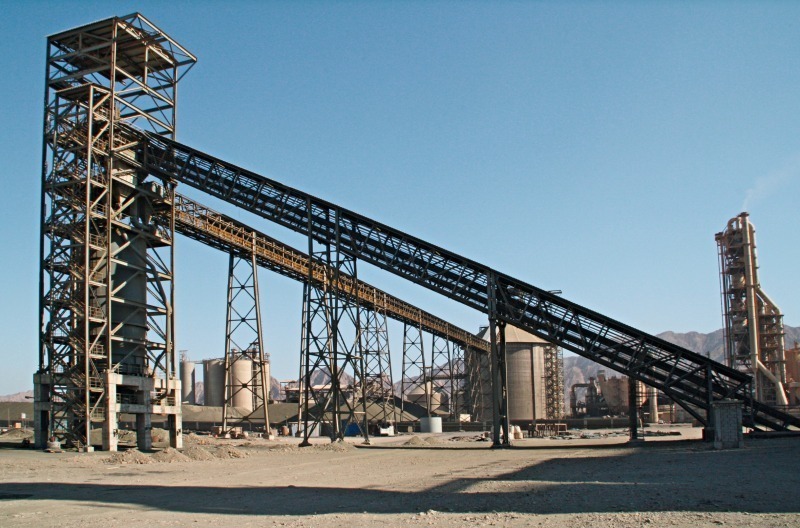
FCI is based near Dibba, a small town in Fujairah, United Arab Emirates. The company was founded in 1982, operating a single dry-process kiln...
Fujairah Cement Industries (FCI) has for the last thirty years been one of the leading cement companies in the United Arab Emirates (UAE). A new line has now increased production capacity from 4600 t/d to 12 100 t/d (Fig. 1). ZKG INTERNATIONAL visited the plant and spoke to general manager Nasser Khammas and works manager V. Sreenivasa Murthy (Fig. 2) on current trends and future prospects, subsequently taking a tour of the plant.
FCI is based near Dibba, a small town in Fujairah, United Arab Emirates. The company was founded in 1982, operating a single dry-process kiln (UNIT 1), with a capacity of 1600 t/d. The UNIT 1 preheater is a single-string, six-stage type with ILC. The original line was subsequently upgraded to a capacity of 4600 t/d, and is equipped with one of the first POLYTRACK® coolers (Table 1).
The UAE were the focal point of an economic upswing in the Gulf region a number of years ago. “The market was booming, so we decided to increase capacity. We have a long tradition of co-operation with Polysius, so we asked them to develop a concept for a new line (UNIT 2)”, explained Nasser Khammas, general manager (Table 2).
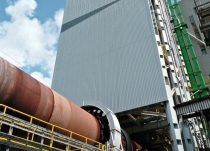
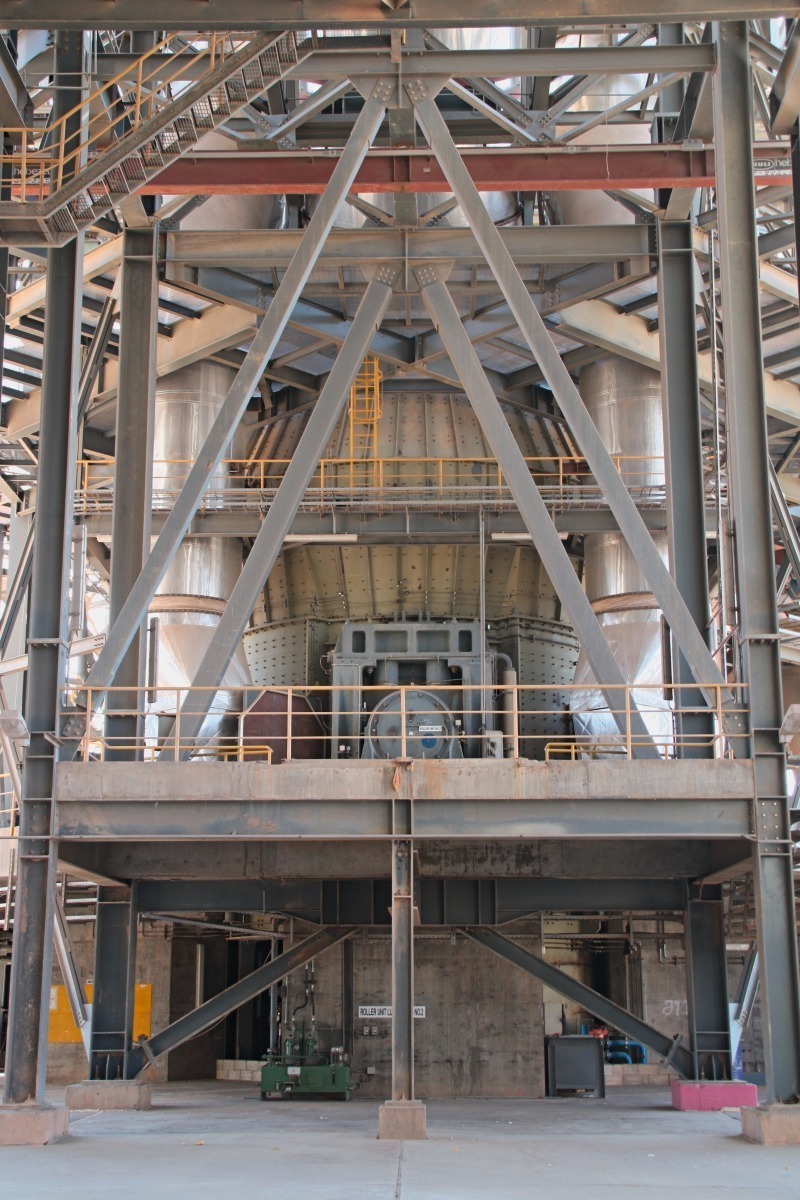
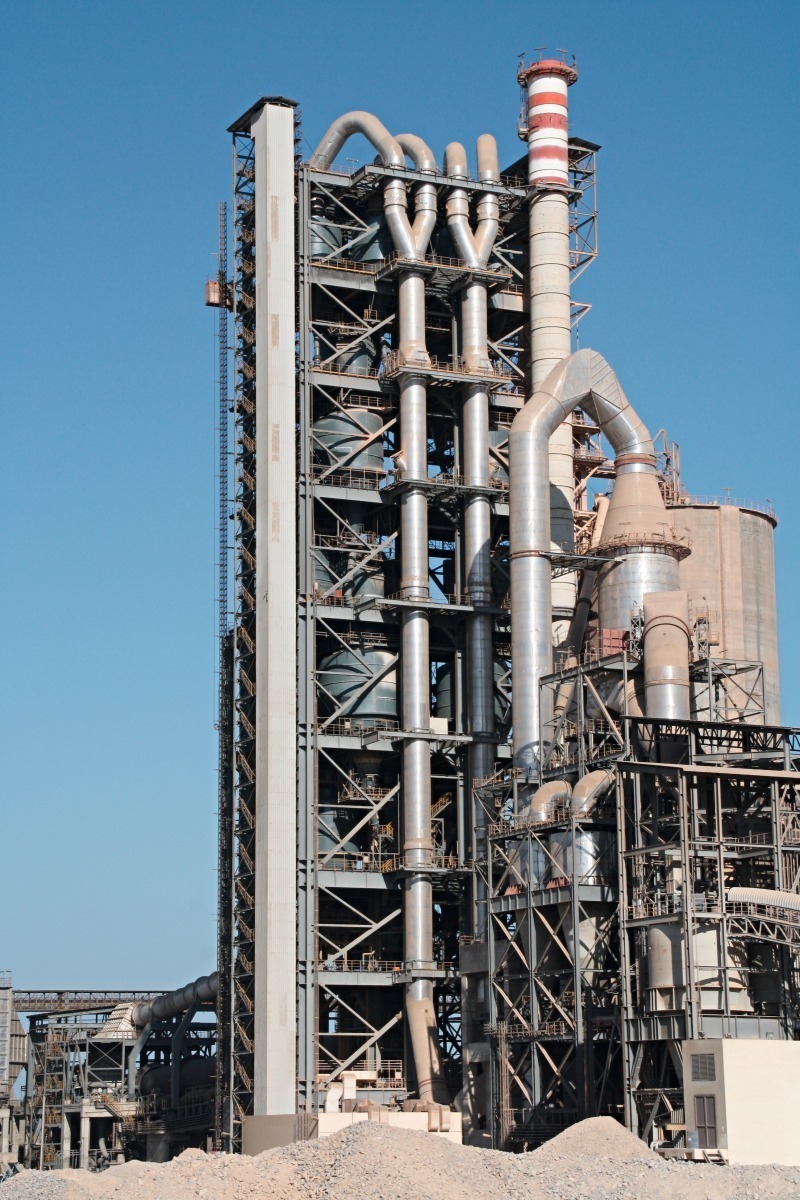
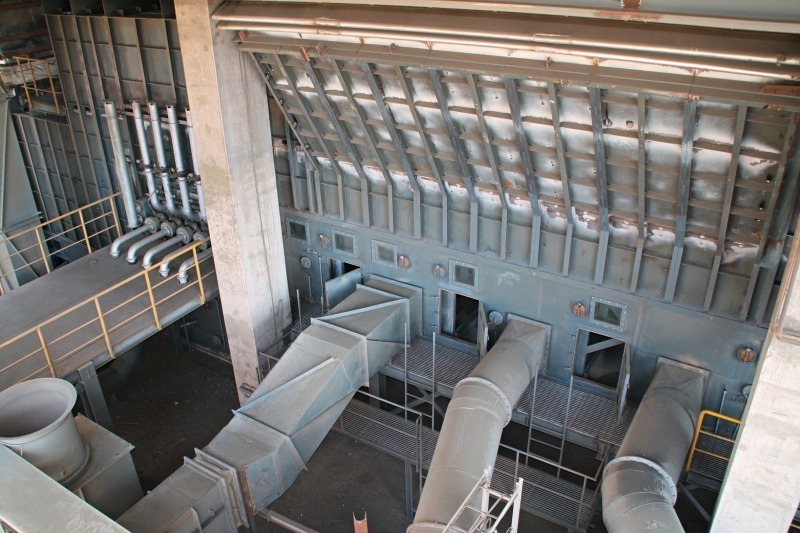
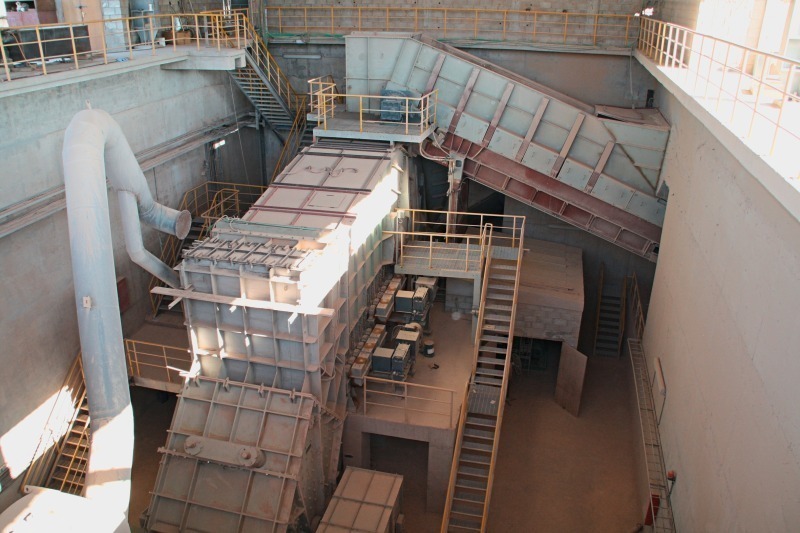
The new line was required to incorporate low power and fuel consumptions, and highly efficient clinker production, with modern operating facilities. Energy demand for this new line is currently some 62 kWh/tclinker. Implementation of this new concept resulted in construction of UAE’s first two-station kiln. Market conditions changed, with a fall in demand, after completion of the plant. The plant is, nonetheless, now ready to meet anticipated rising market demand. The new line includes a QUADROPOL® mill with a throughput of 580 t/h for grinding of feed materials (Fig. 3), a six-stage double string DOPOL® ’90 preheater incorporating DOPOL CALCINER MSC (Fig. 4), a POLRO® rotary kiln and a POLYTRACK® clinker cooler (Fig. 5). A POLCID® NT process control system is installed.
A twin-string preheater kiln with a capacity of 7500 t/d was commissioned in 2010. Capacity is currently 2.2 million t/a clinker. The Fujairah Cement product name has gained premium brand status over the years; the new plant enables Fujairah Cement to supply a high-quality product, with an improved lime saturation factor and C3S content, and a lower free lime content. The plant produces two grades, an Ordinary Portland Cement (OPC) and a Sulphate Resistant Cement (SRC). State-of-the-art technology includes modern computerised control and monitoring from feed mix preparation up to and including finished cement grinding, packing and shipment. Around 50 % of the new line’s production goes for export, to Qatar, Kuwait and Iraq, for example. The majority of cement exports are routed via the emirate’s seaport. The original line continues to supply the local market.
Fujairah Cement operates two quarries, and purchases only around 5 % of its feed materials on the open market. The main feed materials, limestone and alluvium, are produced in the company’s quarries at Dibba and Tawiyan, located 5 km and 20 km, respectively, from the plant. Other feed materials, including iron ore and kaolin, are obtained from outside sources, iron ore, for example, from Oman. “Our current allocation for the quarrying is valid for about 25 years”, states Murthy, works manager at FCI. “Reserves are sufficient for the next few years”.
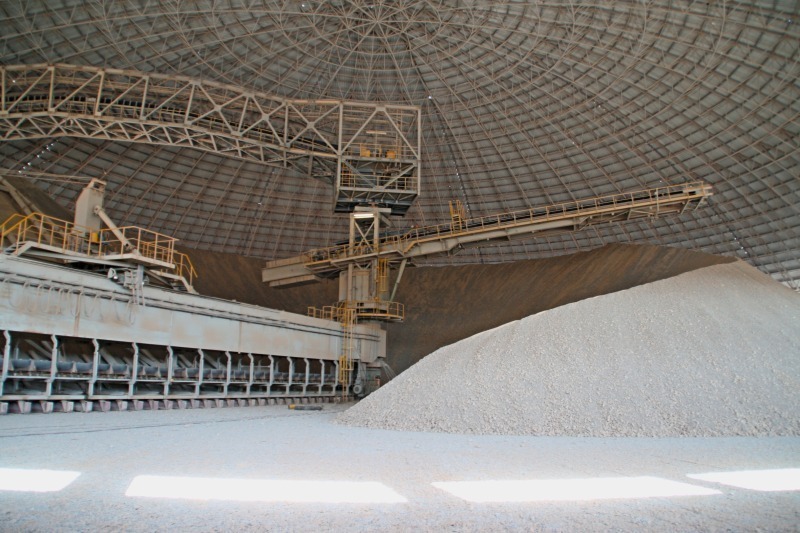
Pre-comminuted limestone is delivered by road, fed to a ThyssenKrupp-Fördertechnik crusher (Fig. 6) and then stacked using the chevron stacking method, subsequently being reclaimed using the end reclaim process, in order to achieve highly efficient blending of the feed materials (Fig. 7). The limestone is then conveyed to the designated hopper for grinding. The additive raw materials, such as kaolin, iron ore, etc. after storage are transported to the designated hopper for raw mix proportioning through the weigh feeders for grinding at the vertical roller mill (VRM), raw ball mill to get the desired raw mix. Gypsum is delivered by road and stockpiled. It is then fed to the air-swept ball mill for grinding.
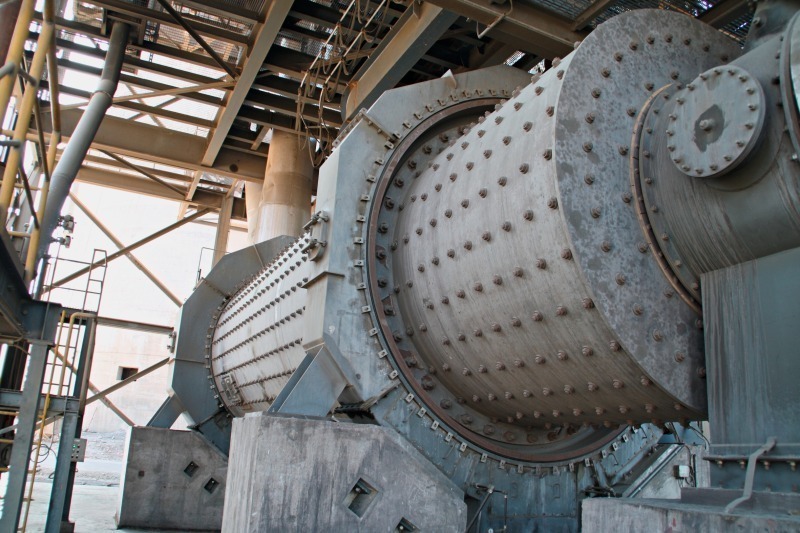
Coal is the principal fuel for both the main burner and the precalciner, and is delivered by road, various grades firstly being blended and then conveyed to the designated hoppers feeding the crusher, to ensure correct blending and grinding in the mill (Fig. 8). The latter takes the form of a twin-chamber mill, the interior surfaces of which feature bolted-on Mn-steel wear liners. The grinding media in this mill take the form of various sizes of Cr-steel balls. The pulverised coal is collected in the bag filters, stored in bins, and then conveyed to the preheater and to the kiln by means of a pneumatic system. Around 50 % of this feed flow is routed to the main burner and 50 % is routed to the precalciner. The plant has an electrical demand of around 53 MW. Of this, 33 MW is supplied by the government for some nine months of the year, the remainder being generated from the company’s own 40 MW thermal power plant (Fig. 9).“FCI is a pioneer in UAE in on-site waste heat recovery”, states Nasser Khammas. “Conversion to coal firing for clinker production was also a UAE pioneer project implemented by FCI”.
The feed materials for grinding in the mill to meet the raw mix formulation are stored in four intermediate hoppers, and are metered by means of separate weighfeeders. 90 % of the raw meal produced using the vertical roller mill (VRM) is collected on the cyclone, and the remainder in the main baghouse; this material is then conveyed to IBAU blending silos. Filtration on the baghouse downstream of the cyclone ensures that only dust-free air is released to the atmosphere. The hot gas required for grinding is tapped off from the preheater waste gas. The raw meal is extracted from the silo and routed into the kiln feed bin, before being fed into the kiln system.
The UNIT 2 preheater takes the form of a double-train, six-stage preheater incorporating ILC. The plant is equipped with ultra-modern advanced technology. Kiln feed material is routed via the bucket elevator. A switch gate divides the feed flows to the kiln train and the preheater train. Clinkerisation takes place at temperatures of between 1350° C and 1400° C. Around 18 to 22 minutes are required for the material to pass through the rotary kiln. Downstream of the kiln, the clinker is efficiently cooled in the Polytrack® cooler and then fed on pan conveyors to a clinker silo (Fig. 10). Non-specification clinker can be discharged into a special silo if operating problems occur.
The plant features three cement ball mills and five cement silos for grinding of OPC and SRC cements. The ingredients are selected according to the grade of cement to be produced. Finished cement is stored in silos ready for shipment.
Cement is shipped by road using bag loaders and bulk loaders. 2 Nos. 6-spout automatic roto-packers to pack the bag products. A great deal of efficient modern equipment has been installed to improve the overall performance of the plant. The latest pollution-control technology has been installed to ensure environmentally friendly plant operation. Stack Emission limits of the kiln, cooler, VRM stack are below 50 mg/nm3.
ZKG INTERNATIONAL wishes to express its gratitude to Nasser Khammas and V. Sreenivasa Murthy for their outstanding support at the plant, and to Mrinal Khatua, Process Engineer, for his generous provision of information. The logistical assistance provided by Markus Fritz, of Polysius, is also gratefully acknowledged.

Überschrift Bezahlschranke (EN)
tab ZKG KOMBI EN
This is a trial offer for programming testing only. It does not entitle you to a valid subscription and is intended purely for testing purposes. Please do not follow this process.
This is a trial offer for programming testing only. It does not entitle you to a valid subscription and is intended purely for testing purposes. Please do not follow this process.
tab ZKG KOMBI Study test
This is a trial offer for programming testing only. It does not entitle you to a valid subscription and is intended purely for testing purposes. Please do not follow this process.
This is a trial offer for programming testing only. It does not entitle you to a valid subscription and is intended purely for testing purposes. Please do not follow this process.