Smart move
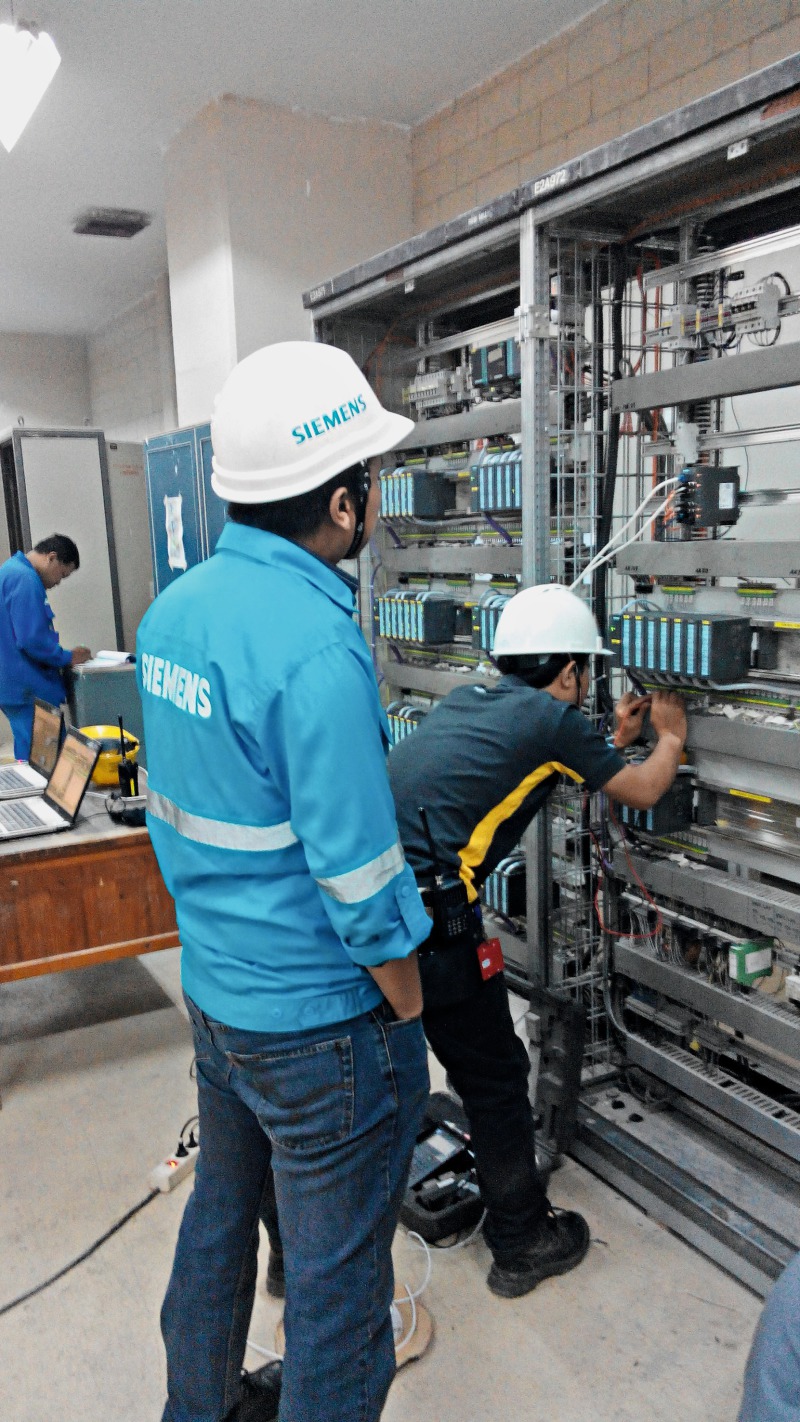
In Indonesia, a collaboration between long-standing partners Indocement Tunggal Prakarsa and Siemens demonstrated how cement production facilities can benefit from increased integration and process optimization thanks to a smart control system migration.
The cement industry is booming in Southeast Asia. Indonesia, for example, has made significant investments in new infrastructure in recent years in an effort to modernize and promote economic growth. One of the results of this effort has been an increase in the country’s demand for cement. Indonesian cement producers are thus coming under increased pressure to boost output and improve operational efficiency in order to meet this demand and avoid supply shortfalls.
An important industry player
Indocement Tunggal Prakarsa is Indonesia’s second-largest cement producer, yielding over 20 million...
The cement industry is booming in Southeast Asia. Indonesia, for example, has made significant investments in new infrastructure in recent years in an effort to modernize and promote economic growth. One of the results of this effort has been an increase in the country’s demand for cement. Indonesian cement producers are thus coming under increased pressure to boost output and improve operational efficiency in order to meet this demand and avoid supply shortfalls.
An important industry player
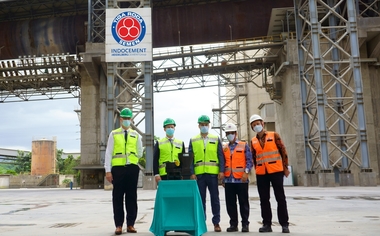
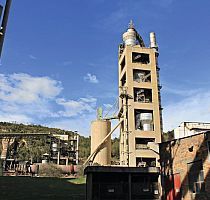
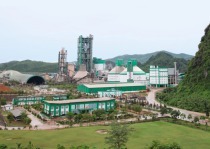
Indocement Tunggal Prakarsa is Indonesia’s second-largest cement producer, yielding over 20 million t of cement per year. The company was founded in 1975 and in 2001 was acquired by the German multinational giant Heidelberger Cement. Indocement operates a total of 12 plants in Indonesia, located at three integrated cement factory sites. The company’s largest installation is its integrated megaplant at Citeureup, which features nine dry kilns and has a total production capacity of 13.6 million t of cement per year.
Migration for success
From its inception, Indocement has been committed to continuous improvement through integration and process optimization – hence the company’s decision in 2013 to commission its long-standing partner Siemens to migrate the outdated control systems at three production facilities (Citeureup, Cirebon, and Tarjun) to the Cemat integrated process control system, which is based on Simatic PCS 7.
With a presence in Indonesia that can be traced back more than 160 years, to 1855, Siemens offers a unique combination of expertise and local resources that made the company a logical choice of partner for Indocement.
Furthermore, Cemat has been installed at more than 800 facilities worldwide and represents a proven solution for helping cement producers to reduce costs through advanced resource management and productivity monitoring.
A significant improvement
The primary goal of the upgrade project was to improve reliability and efficiency at the production facilities so that Indocement could reach its production goal of 30 million t of clinker per year by 2018. In addition to maximizing uptime and decreasing the overall cost of production, the company wished to replace the existing distributed control systems with a more advanced and integrated platform that could provide added visibility into the overall operation of the plants.
The project scope involved the migration of seven production lines – four at Citeureup, two at Cirebon, and one at Tarjun. A new coal mill (a future project) will also be integrated into the new control system. The migration of the production lines required the replacement of programmable logic controllers (PLCs) as well as the addition of remote I/O substations and HMI upgrades. Prewired I/O rails with connectors were selected due to a need for short exchange time. Work at the facilities was performed by a combination of
Indocement personnel and Siemens engineers based throughout Indonesia. Having the advantage of worldwide presence, Siemens also involved experts from India to speed up the commissioning. Safe migration with minimum downtime was Indocement’s main priority, and together with Siemens, this target was achieved.
Cemat provided an advanced framework for interconnecting drives, belt conveyors, dampers, and measuring equipment and allowed Indocement to access relevant cement production data in a virtual real-time environment. Simatic PCS 7 also offered superior compatibility with legacy systems and provided the flexibility to expand plant capacity in the future if needed. Standardized libraries for automation functions also helped ensure better maintenance and service – leading to lower costs and increased efficiency at each of the facilities.
Leveraging expertise
The expertise and global presence offered by Siemens, coupled with the operational experience of Indocement, allowed for a smooth upgrade at all the facilities. The success of the migration project has led to further collaboration between the two companies: the new P14 kiln line will also be controlled by the Cemat system. This partnership is just one example of how a perfect fit between portfolio and expertise can create cost-efficient solutions that help improve reliability, reduce complexity, and achieve long-term operational success for cement plants.
//www.siemens.com/cemat" target="_blank" >www.siemens.com/cemat:www.siemens.com/cemat

Überschrift Bezahlschranke (EN)
tab ZKG KOMBI EN
This is a trial offer for programming testing only. It does not entitle you to a valid subscription and is intended purely for testing purposes. Please do not follow this process.
This is a trial offer for programming testing only. It does not entitle you to a valid subscription and is intended purely for testing purposes. Please do not follow this process.
tab ZKG KOMBI Study test
This is a trial offer for programming testing only. It does not entitle you to a valid subscription and is intended purely for testing purposes. Please do not follow this process.
This is a trial offer for programming testing only. It does not entitle you to a valid subscription and is intended purely for testing purposes. Please do not follow this process.