Challenges and opportunities in the European cement industry
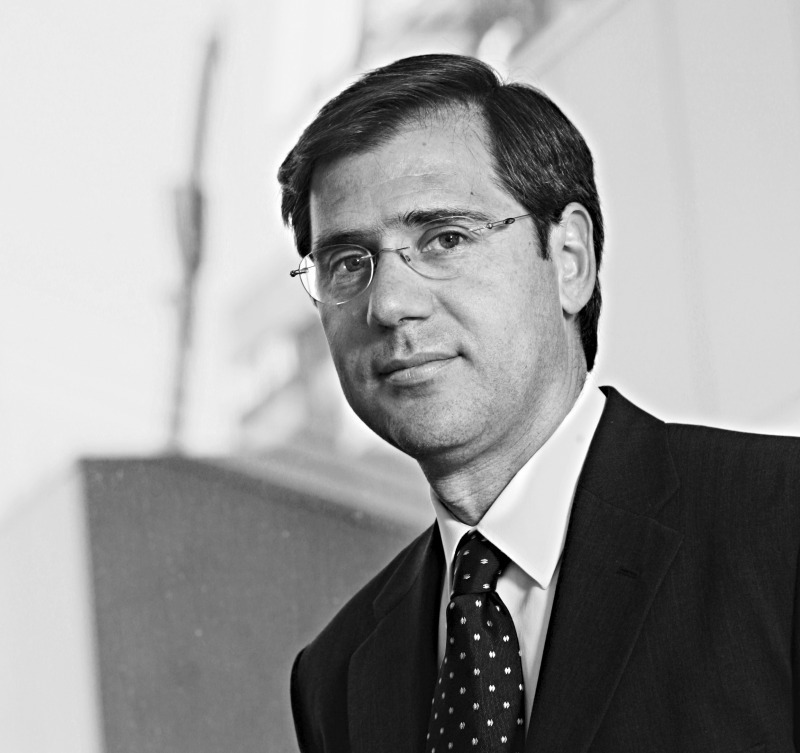
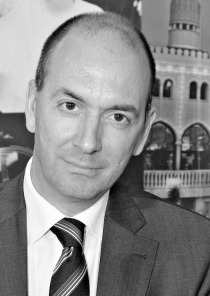
Cembureau President, Ignacio Madridejos (Fig. 2) indicated “I am certain that Koen will rise to the challenge of positioning the cement industry in this ever-changing world. In addition, I wish to express my thanks to...
Cembureau President, Ignacio Madridejos (Fig. 2) indicated “I am certain that Koen will rise to the challenge of positioning the cement industry in this ever-changing world. In addition, I wish to express my thanks to Jean-Marie Chandelle for his dedication to Cembureau during his 16 years as Chief Executive.”
Jean-Marie Chandelle added, “I would like to wish my successor, Koen, all the best in his new role. There are many opportunities ahead, and I am certain that under his leadership, the cement industry will be well positioned to make the most of them.”
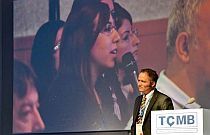
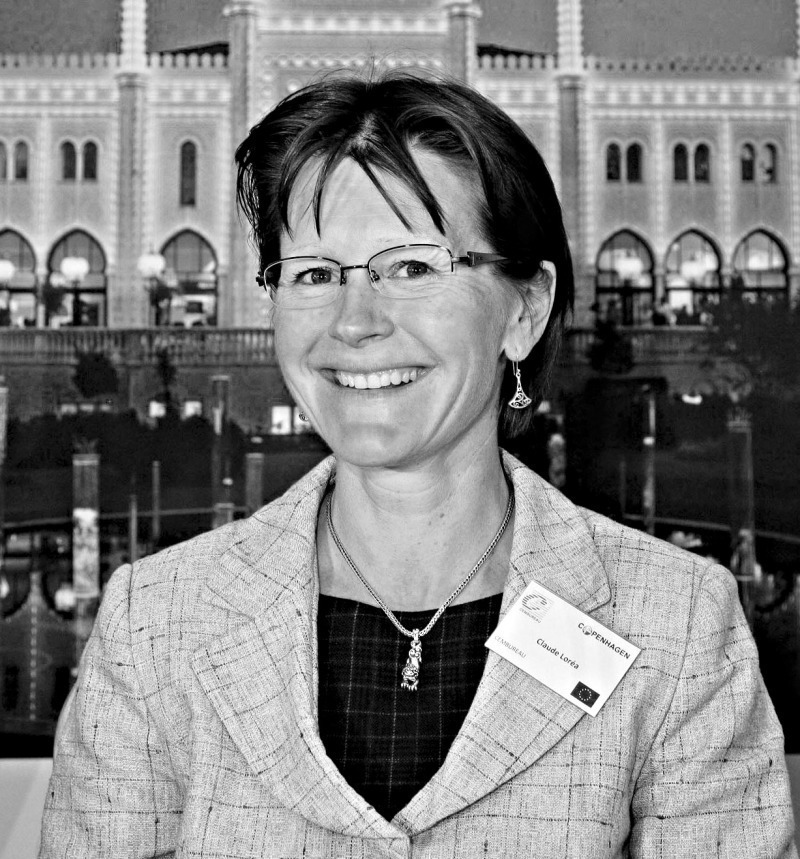
Cembureau also announced the appointment of Claude Loréa (Fig. 3), Technical Director, as a Deputy Chief Executive of the Association.
ZKG spoke with Koen Coppenholle about future challenges and opportunities in and for the European cement industry.
It is against the background of the proper conditions for a competitive cement industry in Europe that Cembureau builds its contribution to other themes on the European agenda such as biodiversity, resource efficiency and sustainable construction. In its policy messages, Cembureau strongly emphasizes the contribution of co-processing of alternative materials and fuels as a unique contribution to resource efficiency and as an optimum way of reducing dependency on fuels and raw materials and lowering CO2 emissions.
In terms of biodiversity, Cembureau maintains that the development of quarrying activities can be done while achieving biodiversity goals and this through correct biodiversity management during the quarrying phase, allowing for biodiversity conservation and compatibility of quarrying activities and resource management.
Another main focus area for Cembureau is sustainable construction where we advocate an integrated strategy which takes into account the whole life-cycle of the end-use product, i.e. the building or construction work.
Cembureau has identified a list of top 10 priorities which reflect the issues mentioned above and which clarifies that it works on both short and longer term issues as they all shape the way in which industry needs to position itself.
I consider it as my main challenge and task to engage Cembureau in a pro-active way by emphasizing the importance of framework conditions for competitiveness (and, there, we need to emphasize the increasing importance of the link between climate change and energy policy) and the need for policymakers to consider the full supply chain when presenting initiatives in order to allow for the cement industry to have a consistent policy framework that governs its raw materials sourcing, the process phase as well as product development and the ultimate use that is made of its products.